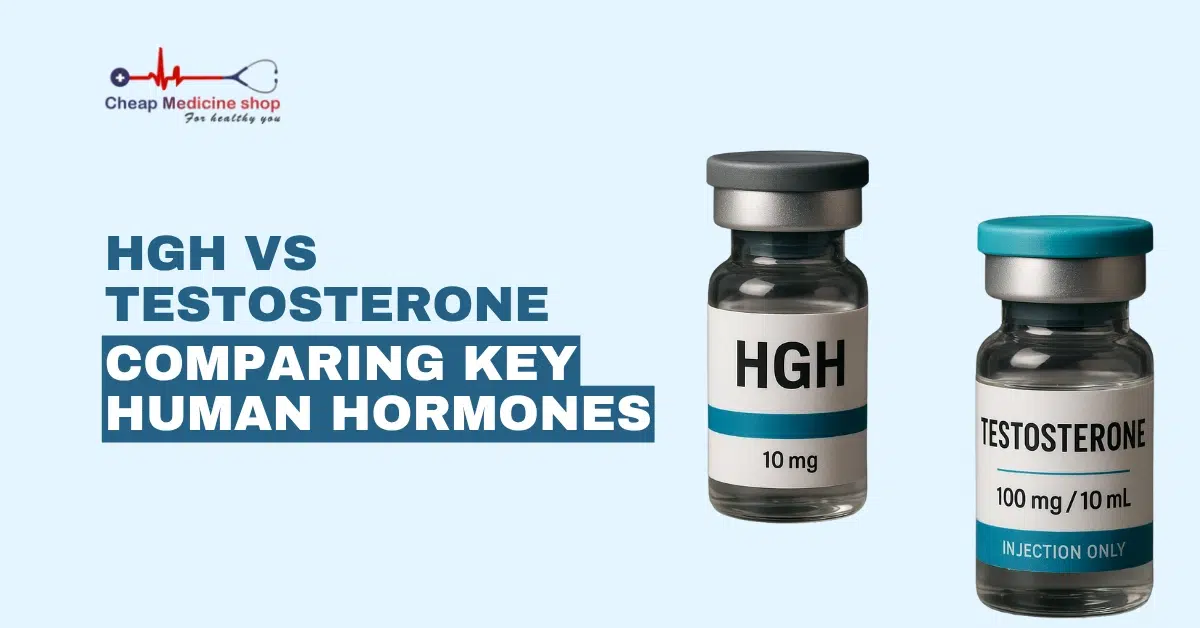
HGH vs. Testosterone: Which Hormone Therapy Is Better for Muscle Growth, Fat Loss, and Anti-Aging in Men Over 40?
Table of Contents
- The Hype vs. Reality: Why Understanding HGH Matters
- What Exactly Does Human Growth Hormone Do? The Basics
- Physiological Mechanisms: How HGH Works in Your Body
- HGH Benefits: From Muscle and Fat Loss to Recovery
- Are Human Growth Hormones Bad for You? The Safety Profile and Risks
- HGH Dosage, Cycles, and Practical Considerations
- Legal HGH Alternatives and How to Increase Growth Hormone Naturally
- FAQ: Your Top Questions Answered
- Resources and Further Reading
What Exactly Does Human Growth Hormone Do? A Complete Guide to Benefits, Risks, and Safety
If you’re a fitness enthusiast grinding in the gym, an aging adult noticing slower recovery and stubborn midsection fat, or an athlete chasing that extra edge, you’ve probably heard the buzz around human growth hormone (HGH). Promises of faster muscle gains, melted fat, youthful vitality, and superhuman recovery sound almost too good to be true. And in many ways, they are—especially when it comes to off-label use.
What exactly does human growth hormone do? It’s a powerful peptide hormone produced by the pituitary gland that plays key roles in growth during childhood and metabolism, body composition, and repair throughout life. But the gap between medical reality and internet hype is wide. This guide cuts through the noise with evidence-based insights tailored for readers in the USA and Canada. We’ll explore mechanisms, real benefits, serious risks, legality, and safer paths forward.
The Hype vs. Reality: Why Understanding HGH Matters
HGH has been glamorized in bodybuilding circles, anti-aging clinics, and wellness forums. A landmark 1990 New England Journal of Medicine study showed older men given HGH experienced increased lean mass and reduced fat—fueling decades of interest. Yet, subsequent research reveals it’s no miracle drug for healthy adults seeking performance or longevity. Misuse carries real health costs, and in North America, non-prescribed use is tightly regulated.
This isn’t about fear-mongering or promotion—it’s about giving you practical, deeply researched info so you can make informed decisions. Whether you’re considering doctor-supervised therapy for genuine deficiency or exploring natural optimization, knowledge is your best tool.
What Exactly Does Human Growth Hormone Do? The Basics
Human growth hormone, also called somatotropin, is a 191-amino-acid protein hormone secreted in pulses by the anterior pituitary gland, with the biggest surges during deep sleep and after intense exercise.
In children and adolescents, it drives linear growth by stimulating cartilage and bone elongation via insulin-like growth factor-1 (IGF-1), produced mainly in the liver. Once growth plates fuse in adulthood, HGH shifts focus to metabolic regulation: it promotes protein synthesis (anabolic effects), encourages fat breakdown (lipolysis), and helps maintain blood sugar balance while countering insulin’s effects to some degree.
HGH levels peak in puberty and decline steadily—about 14% per decade after age 30. This natural drop contributes to age-related changes like reduced muscle mass, increased visceral fat, and slower recovery, but it’s not the sole driver of aging.
Synthetic recombinant HGH (somatropin) is FDA-approved for specific conditions like pediatric growth disorders, adult growth hormone deficiency (GHD), and muscle wasting in HIV/AIDS. In Canada, Health Canada approves similar uses.
Physiological Mechanisms: How HGH Works in Your Body
HGH doesn’t act alone. It binds to receptors on target cells, triggering JAK-STAT signaling pathways that lead to gene expression for growth and repair. Key effects include:
Muscle Tissue: HGH boosts amino acid uptake and protein synthesis while reducing breakdown. It works synergistically with IGF-1 for hypertrophy. In GHD patients, replacement improves lean mass and strength.
Fat Metabolism: HGH is lipolytic—it mobilizes stored triglycerides into free fatty acids for energy, particularly visceral (belly) fat. Studies show reductions in abdominal fat with therapy.
Recovery and Cellular Repair: It enhances collagen synthesis (beneficial for joints, skin, tendons) and supports immune function. Post-exercise, natural HGH pulses aid repair.
Bone and Connective Tissue: Stimulates osteoblasts for bone density and supports cartilage health.
Metabolism and Energy: Influences carbohydrate metabolism (can raise blood glucose), sodium retention, and overall energy substrate use. It promotes aerobic and anaerobic capacity in deficient states.
These mechanisms explain why deficient individuals see transformative benefits, but healthy users often get diminishing returns with higher side effect risks.
HGH Benefits: Muscle, Fat Loss, Recovery, and More
HGH Benefits for Body Composition: Clinical data in GHD adults show increased lean mass (up to 8-10% in some studies), decreased fat mass (especially visceral), and better body composition. For fat loss specifically, HGH dosage for fat loss in research has ranged from low (0.5-2 IU/day) to higher in short protocols, accelerating loss when combined with calorie deficit and exercise.
Athletic Performance and Recovery: In deficient patients, HGH improves exercise capacity, energy, and healing. Healthy athletes may see modest lean mass gains, but strength and aerobic improvements are inconsistent or absent in many trials. One review noted increased lean mass but no performance boost and more fatigue/fluid issues.
Anti-Aging and Quality of Life: Mayo Clinic notes potential for better bone density, muscle, and skin in some contexts, but does not recommend it for healthy aging due to risks. Improvements in sleep, mood, and skin elasticity are reported anecdotally and in some studies.
Other Potential Benefits: Wound healing, immune support, and lipid profile improvements in certain patients.
Results vary widely by age, deficiency status, diet, training, and genetics. Noticeable changes often take weeks to months.
Are Human Growth Hormones Bad for You? The Safety Profile and Risks
Are human growth hormones bad for you? It depends on context. Medically supervised use for approved indications is generally safe with monitoring. Abuse or off-label use in healthy people? Often yes, with significant downsides.
Common Side Effects: Fluid retention (edema), joint/muscle pain, carpal tunnel syndrome, gynecomastia in men, and elevated blood sugar/insulin resistance.
Serious Risks of Abuse: Long-term excess mimics acromegaly—enlarged organs/bones, arthritis, diabetes, hypertension, heart disease, and potentially reduced lifespan. Increased cancer risk is a concern (though debated in replacement therapy). High doses can worsen exercise capacity despite muscle gains.
Harm Reduction Strategies: Bloodwork (IGF-1, glucose, etc.), start low and titrate, cycle use, monitor with an endocrinologist, maintain healthy lifestyle. Never buy from unverified sources.
In the US and Canada, HGH is prescription-only for approved uses. Non-medical distribution/possession for performance or anti-aging is illegal.
HGH Dosage, Cycles, and Practical Considerations
Medical dosing varies (e.g., 0.006-0.025 mg/kg/day adjusted). Performance contexts often use 2-6 IU/day, but this is off-label and risky. Fat loss protocols may use lower doses with diet. Always under medical supervision. Detection times matter for athletes (WADA bans it).
Legal HGH Alternatives and How to Increase Growth Hormone Naturally
Instead of risky synthetic HGH, focus on proven natural boosters:
- High-Intensity Exercise: HIIT and sprints spike natural HGH.
- Optimize Sleep: Deep sleep is prime time for secretion.
- Intermittent Fasting and Sugar Control: Reduces insulin, which suppresses HGH.
- Lose Body Fat: Especially visceral fat.
- Supplements: Arginine, glutamine, ornithine may help modestly.
- Legal Alternatives: Sermorelin or other secretagogues (prescription in some cases), or over-the-counter amino acid blends. Lifestyle trumps most pills.
For those exploring options, consult professionals. Sites like reputable compounding pharmacies or wellness clinics (under regulation) differ from underground sources.
Ready to optimize safely? Consult a qualified endocrinologist or anti-aging specialist familiar with evidence-based protocols. For quality information and compliant products, check resources through trusted channels. Explore here for informed choices (always verify legality and consult your doctor).
FAQ
1. Is HGH legal in the USA and Canada? Prescription-only for approved medical conditions. Off-label use (bodybuilding, anti-aging) is illegal without proper authorization.
2. How long until I see HGH results? Weeks for energy/sleep; 3+ months for body composition changes.
3. What are typical HGH side effects? As above—fluid retention, joint pain, etc. Serious with abuse.
4. Can I detect HGH in drug tests? Yes, WADA and sports orgs test for it, though windows vary.
5. Does HGH help with fat loss? It can in context, but diet/exercise are primary. Not a magic solution.
6. Are natural ways effective? Yes—exercise, sleep, diet yield sustainable gains without risks.
7. What’s the difference between HGH and steroids? Different mechanisms; often stacked, but both carry risks and legal issues.
Resources and Further Reading
- Mayo Clinic: Human Growth Hormone Overview
- Cleveland Clinic: Detailed HGH physiology.
- PubMed/NIH studies on benefits, risks, and replacement therapy.
- FDA and Health Canada guidelines on somatropin.
- Harvard Health on athletic use.
Always prioritize evidence over hype. Work with healthcare providers for personalized advice. Your long-term health is the ultimate performance metric.