The Wolverine Stack Peptide Guide: Where to Buy, Benefits, & Safe Research Protocols
Table of Contents
- Introduction: The Frontiers of Cellular Repair
- Deconstructing the “Wolverine Stack”: The Synergy of BPC-157 and TB-500
- Peptide Therapy Benefits: What the Science Shows
- The Legal and Regulatory Landscape in the USA (2026)
- Where Can I Buy the Wolverine Stack Online? Vetting Reliable Suppliers
- Red Flags to Avoid When Purchasing Research Peptides Online
- Step-by-Step Guide to Safely Placing a Research Order
- Reconstitution, Storage, and Handling Best Practices
- Frequently Asked Questions (FAQs)
- Authoritative Research Resources
1. Introduction: The Frontiers of Cellular Repair
In the realms of elite athletics, competitive bodybuilding, and pioneering biohacking, the biological limits of human recovery are constantly being challenged. Traditional approaches to tissue damage, joint degeneration, and chronic tendonitis often rely on a passive combination of rest, non-steroidal anti-inflammatory drugs (NSAIDs), and physical therapy. However, for those seeking to optimize recovery timelines, the slow pace of natural soft-tissue healing represents a significant bottleneck.
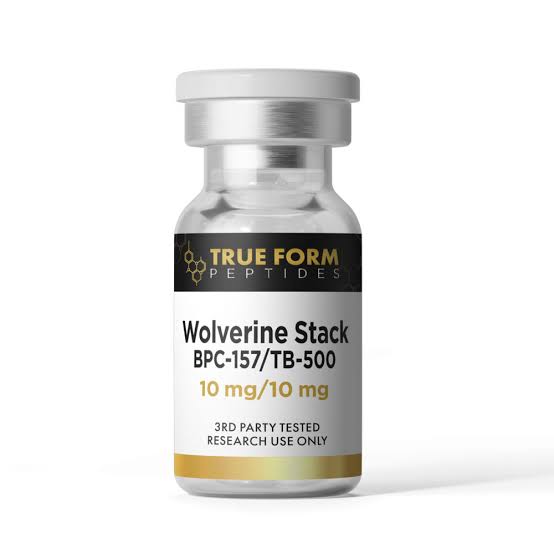
This challenge has driven researchers to investigate the therapeutic potential of targeted amino acid sequences known as peptides. Among the various combinations studied in cellular and animal models, none has captured the attention of the performance community quite like the wolverine stack peptide combination. Named colloquially after the comic-book mutant renowned for near-instantaneous tissue regeneration, this stack pairs two powerful regenerative compounds: BPC-157 (Body Protection Compound-157) and TB-500 (a synthetic derivative of Thymosin Beta-4).
When independent researchers look into optimization protocols, the primary question that arises is: where can I buy the wolverine stack online safely and legally?
Because the online marketplace for research chemicals is unregulated and highly variable, finding high-quality compounds requires a careful, analytical approach. This comprehensive guide provides an objective breakdown of the science behind BPC-157 and TB-500. It also outlines the legal framework governing these compounds in the United States and offers an actionable blueprint for identifying reputable, third-party-tested suppliers. Whether you are conducting laboratory studies or exploring peer-reviewed literature, this guide delivers the foundational knowledge needed to navigate the research peptide landscape safely and effectively.
2. Deconstructing the “Wolverine Stack”: The Synergy of BPC-157 and TB-500
To understand why the wolverine stack peptide combination is considered highly effective for tissue repair, it is necessary to examine the individual mechanisms of its two primary components. While both compounds facilitate healing, they target entirely different biological pathways. When introduced simultaneously in a laboratory environment, their combined actions work in synergy to accelerate repair.
       [WOLVERINE STACK PEPTIDE SYNERGY]
                      │
       ┌──────────────┴──────────────┐
       ▼                             ▼
   BPC-157                         TB-500
(Localized Repair)           (Systemic Migration)
       │                             │
       ├─ Angiogenesis               ├─ Actin Regulation
       ├─ Fibroblast Growth          ├─ Cell Mobilization
       └─ Growth Factor Up-reg.      └─ Myocardial Repair
       │                             │
       └──────────────┬──────────────┘
                      ▼
         [Accelerated Tissue Repair]
BPC-157: The Biological Bricklayer
BPC-157 is a partial sequence of a naturally occurring protective protein found in human gastric juice. Composed of 15 amino acids (a pentadecapeptide), its primary function in biological systems revolves around protecting and repairing mucosal linings and soft tissues.
The primary mechanism of BPC-157 is angiogenesis—the formation of new blood vessels from existing ones. Soft tissues like tendons, ligaments, and cartilage are notoriously slow to heal primarily because of their poor blood supply (hypovascularity). Without adequate blood flow, critical nutrients, oxygen, and signaling molecules cannot efficiently reach the site of an injury. BPC-157 addresses this issue by upregulating the expression of Vascular Endothelial Growth Factor (VEGF), initiating a rapid expansion of the local capillary network.
Additionally, molecular research demonstrates that BPC-157 accelerates the growth and spread of fibroblasts—the cells responsible for synthesizing collagen and the extracellular matrix. By increasing the expression of early growth response 1 (EGR-1) genes, BPC-157 helps organize new collagen fibers into structured, functional tissue rather than unorganized, brittle scar tissue.
TB-500: The Systemic Signaling Architect
While BPC-157 builds new vascular pathways and stimulates local structural cells, TB-500 works through a broader, systemic pathway. TB-500 is a short, synthetic version of Thymosin Beta-4 (Tβ4), a protein made by the thymus gland that contains 43 amino acids. This protein is found in high amounts in blood platelets and tissue fluids.
The primary role of TB-500 centers on its interaction with actin, a structural protein essential for cell shape, movement, and structure. TB-500 binds to G-actin (monomeric actin), acting as a major actin-sequestering molecule in eukaryotic cells. This process facilitates cell migration, allowing white blood cells, vascular endothelial cells, and stem cells to travel directly to the site of an injury.
If BPC-157 is the bricklayer building new pathways and structures locally, TB-500 is the signaling architect. It coordinates the movement of healing factors across the body, reduces systemic inflammation, and prevents the cross-linking of collagen to minimize internal scarring and adhesions.
The Synergistic Mechanism: 1 + 1 = 3
When combined into a single research protocol, the BPC-157 and TB-500 stack offers a multi-layered approach to healing.
| Feature / Mechanism | BPC-157 | TB-500 |
| Primary Classification | Gastric Juice Derivative (15 Amino Acids) | Thymosin Beta-4 Fragment (7 Amino Acids) |
| Primary Action | Angiogenesis & Collagen Alignment | Actin Sequestration & Cell Migration |
| Scope of Influence | Primarily localized and organoprotective | Broadly systemic and tissue-migratory |
| Vascular Impact | Direct upregulation of VEGF receptors | Upregulation of matrix metalloproteinases |
| Inflammatory Profile | Modulates nitric oxide (NO) synthesis | Lowers pro-inflammatory cytokines (IL-6) |
This dual-action framework is why the combination is frequently studied for complex injuries. BPC-157 establishes the raw materials and blood supply locally, while TB-500 recruits and mobilizes the cellular machinery needed to execute the repair.
3. Peptide Therapy Benefits: What the Science Shows
The scientific literature surrounding these compounds highlights several key peptide therapy benefits, observed primarily in animal models and in-vitro experiments. These findings form the basis for current research into human performance optimization:
- Accelerated Tendon and Ligament Healing: Studies published in various medical journals indicate that BPC-157 can reverse healing delays caused by systemic corticosteroid use. It significantly accelerates the repair of severed Achilles tendons and torn collateral ligaments.
- Enhanced Muscle Regeneration: Following crush injuries or severe lacerations, the administration of TB-500 has been shown to stimulate satellite cell activation. These satellite cells are the precursor units required to build and repair skeletal muscle fibers.
- Joint Protection and Cartilage Repair: Research demonstrates that BPC-157 interacts constructively with the nitric oxide (NO) system to safeguard chondrocytes (cartilage cells) from oxidative stress and degradation, presenting a potential avenue for addressing degenerative joint conditions.
- Gastrointestinal Mucosal Repair: True to its origin in gastric juice, BPC-157 exhibits profound systemic healing properties throughout the digestive tract. Researchers analyze its capacity to repair inflammatory bowel conditions, heal gastric ulcers, and restore integrity to compromised intestinal linings (often referred to as leaky gut).
- Cardiovascular and Neural Protection: Ongoing studies into TB-500 indicate that its cell-migratory properties support cardioprotection following ischemic events. It also shows potential for neuroprotection by encouraging oligodendrocyte differentiation after central nervous system injuries.
4. The Legal and Regulatory Landscape in the USA (2026)
Navigating the market to buy peptides online USA requires a clear understanding of the strict legal and regulatory environment governing these substances. Misinterpreting these laws can lead to customs issues, financial loss, or compliance violations for commercial researchers.
The “Research Chemical” Designation
In the United States, unapproved compounds like BPC-157 and TB-500 occupy a specific legal category. They are classified as Research Chemicals.
               [LEGAL COMPLIANCE IN THE USA]
                             │
            ┌────────────────┴────────────────┐
            ▼                                 ▼
   [Research Chemicals]             [Human Consumption]
  • Permitted for Lab Use          • Requires FDA Approval
  • Strict Safety Testing          • Prohibited for Retail Sale
  • Labeled "Not for Human Use"    • Subject to Seizure
Under current regulations, it is entirely legal to purchase, possess, and analyze these peptides provided they are used exclusively for laboratory research, in-vitro testing, or animal studies by qualified professionals.
To maintain compliance with federal law, these products must be labeled explicitly as “Not for Human Consumption” or “For Research Purposes Only.” Selling these compounds with accompanying dosage guidelines, human administration instructions, or medical health claims violates federal law regarding misbranded and unapproved drugs.
FDA Framework and Compounding Pharmacy Restrictions
The regulatory environment around these compounds has tightened significantly. Historically, compounding pharmacies could produce individual prescriptions of BPC-157 for clinical use under specific sections of the Federal Food, Drug, and Cosmetic Act.
However, the U.S. Food and Drug Administration (FDA) has reclassified several popular peptides, placing BPC-157 and Thymosin Beta-4 into Category 2 of the Bulk Drug Substances Nominated for Use in Compounding. This category is reserved for substances that raise significant safety concerns or lack sufficient human clinical safety data to justify routine compounding.
As a result, traditional compounding pharmacies are largely restricted from producing these substances for human patients. Consequently, independent researchers looking for these materials must rely on independent chemical supply companies that manufacture research-grade lyophilized powders exclusively for laboratory analysis.
WADA, USADA, and Anti-Doping Regulations
For competitive bodybuilders, powerlifters, and athletes subject to drug testing protocols, the regulatory status of these compounds is unambiguous:
The World Anti-Doping Agency (WADA) explicitly prohibits the use of peptide hormones, growth factors, related substances, and mimetics at all times (both in-competition and out-of-competition).
- TB-500 / Thymosin Beta-4: Explicitly banned under Section S2 of the WADA Prohibited List. It is categorized as a growth factor modulator capable of influencing muscle, tendon, or ligament vascularization and regeneration.
- BPC-157: Added definitively to the WADA Prohibited List under the same S2 category. Despite its primary function as a reparative agent rather than a direct anabolic muscle-builder, it remains banned due to its pronounced biological effects on angiogenesis and growth factor expression.
Detection methodologies in sports drug testing have advanced considerably. Modern urine and blood matrices can identify intact peptides or their metabolites weeks after exposure. For athletes under the jurisdiction of USADA, WADA, or any collegiate athletic association, purchasing or utilizing these compounds carries a high risk of long-term competition bans.
5. Where Can I Buy the Wolverine Stack Online? Vetting Reliable Suppliers
Because the market for research peptides is decentralized, buyers face a wide range of product quality. A large percentage of products available online are imported from unverified overseas chemical brokers, diluted with structural fillers, or mislabeled entirely.
To safely buy research peptides for sale, a researcher must look past professional website designs and marketing claims. Instead, it is critical to rely on concrete analytical verification.
Decoding a Certificate of Analysis (CoA)
The single most critical piece of evidence separating a legitimate chemical supplier from an unreliable operation is a verified Certificate of Analysis (CoA). A reputable supplier must provide a recent, independent, third-party CoA for every unique production batch of their wolverine stack peptide.
A valid CoA should never be generated by the manufacturer’s internal laboratory, as this presents an obvious conflict of interest. It should come from an accredited, independent analytical laboratory located within the United States or Canada.
When analyzing a CoA, researchers should look for three specific data benchmarks:
┌────────────────────────────────────────────────────────┐
│              CERTIFICATE OF ANALYSIS (CoA)            │
├────────────────────────────────────────────────────────┤
│  1. Purity Level (HPLC):  [ 99.2% ]  (Target: >98%)    │
│  2. Mass Verification:    [ Confirmed via MS ]          │
│  3. Testing Date:         [ Current Batch Only ]       │
└────────────────────────────────────────────────────────┘
- Purity Level (Target: >98%): The chemical purity of the peptide should ideally be $98.0\%$ or higher. Any compound showing a purity below $95\%$ contains an unacceptable level of manufacturing byproducts, residual trifluoroacetic acid (TFA), or unidentifiable amino acid fragments that can compromise research results.
- Mass Verification: The document must explicitly state that the molecular weight identified in the sample matches the theoretical molecular mass of the target peptide sequence exactly.
- Testing Date and Batch Correspondence: The date on the analysis should be recent (typically within the last 3 to 6 months) and must clearly match the specific batch number printed on the vial received by the researcher.
Analytical Breakdown: HPLC and Mass Spectrometry
To evaluate a supplier’s compliance verification, you must understand the two primary analytical tools used to test research peptides: High-Performance Liquid Chromatography (HPLC) and Mass Spectrometry (MS).
High-Performance Liquid Chromatography (HPLC)
HPLC is an analytical chemistry technique used to separate, identify, and quantify each component in a liquid mixture. The sample is dissolved in a solvent and passed under high pressure through a column packed with a specific adsorbent material. Different molecular structures interact with the column material at varying rates, causing them to exit (elute) at different times—a metric known as the retention time.
An ultraviolet (UV) detector measures the substance as it exits the column, producing a visual graph called an HPLC chromatogram. This graph displays a series of peaks:
- The largest peak represents the target peptide (e.g., BPC-157).
- Smaller surrounding peaks indicate impurities, residual solvents, or synthesis errors.
By calculating the area under the primary peak relative to the total area of all peaks combined, the laboratory determines the precise chemical purity percentage of the sample.
Mass Spectrometry (MS)
While HPLC measures the purity of a sample, it cannot definitively prove that the primary substance is actually the correct peptide. This is where Mass Spectrometry is required.
An MS instrument bombards the eluted sample with electrons, ionizing the molecules and breaking them into fragments. These charged particles travel through an electromagnetic field, which sorts them based on their mass-to-charge ratio ($m/z$).
The resulting mass spectrum acts as a unique molecular fingerprint. BPC-157 has a known theoretical molecular weight of 1655.8 Da (Daltons), while the primary active fragment of TB-500 (Thymosin Beta-4 fragment 17-23) has a distinct mass profile. If the mass spectrometry graph shows a dominant peak at the precise molecular weight of the target peptide, the identity of the compound is verified.
A trustworthy vendor will provide both an HPLC chromatogram and an MS graph for every batch, offering clear proof of both purity and identity.
6. Red Flags to Avoid When Purchasing Research Peptides Online
When evaluating online sources for research chemicals, look out for these common red flags that indicate a high risk of fraud, product contamination, or legal liability:
- Explicit Medical Claims or Dosage Guidelines: If an online storefront features explicit human dosing calculators, usage instructions for sports injuries, or health guarantees, avoid them. Legitimate research vendors adhere strictly to regulatory laws by selling items exclusively for laboratory analysis. Vendors that violate these labeling rules risk asset forfeiture or closure by federal authorities, which can disrupt your supply chain.
- Anonymized, Crypto-Only Payment Gateways: While offering cryptocurrency options is common, a vendor that only accepts anonymous methods (such as Western Union, Zelle to an unrelated personal name, or Bitcoin) with no secure, consumer-protected credit card options often suggests a lack of stable corporate banking infrastructure.
- Missing or Obscured Independent Lab Affiliations: Some vendors post generic, blurred, or cropped CoAs where the testing laboratory’s letterhead, contact details, or signature have been removed. This often indicates that the document is either forged, outdated, or copied from a competitor’s website.
- Unrealistically Low Pricing Structures: The multi-step solid-phase synthesis, purification, and lyophilization of high-purity peptides are precise, resource-intensive chemical processes. If a vendor offers the wolverine stack peptide at prices significantly lower than the average market rate, the product is likely under-dosed, degraded, or imported from unvetted overseas liquidators without quality control.
7. Step-by-Step Guide to Safely Placing a Research Order
If your laboratory or research institution requires the wolverine stack peptide for analytical evaluation, follow this structured verification framework to ensure a secure, legally compliant purchase.
Step 1: Initial Domain and Operational Security Audit
Before browsing a vendor’s inventory, verify that the website utilizes secure, encrypted communication protocols (HTTPS with a valid SSL certificate). Review the site’s “About Us,” “Terms of Service,” and contact pages. A reliable supplier should clearly state their corporate identity, provide a functional customer service email or ticketing system, and explicitly outline their terms regarding the strict laboratory use of their inventory.
Step 2: Cross-Reference Community and Peer Feedback
Cross-examine the vendor’s reputation on independent biohacking, bodybuilding, and research chemical forums (such as verified subreddits or dedicated peptide discussion boards). Look for independent, un-sponsored user reviews that include screenshots of third-party testing verifications or detailed descriptions of shipping and customer service experiences. Avoid vendors that rely entirely on internal, unverified reviews on their own product pages.
Step 3: Inspect the Current Batch Certificate of Analysis
Navigate to the vendor’s dedicated CoA page or request the documents directly from their support team. Verify that the batch number listed on the analysis corresponds directly to the current inventory inventory. Ensure the HPLC and MS graphs are clear, unedited, and issued by an established, independent third-party testing facility.
Step 4: Evaluate Shipping, Logistics, and Protective Packaging
Peptides are delicate arrangements of amino acids held together by sensitive peptide bonds. Exposure to extreme heat, rough agitation, or direct ultraviolet light during transport can cause them to break down prematurely (degradation). Ensure the vendor uses expedited, tracked shipping methods within the USA and packages the glass vials securely in thick, insulated, temperature-stable materials to protect them during transit.
Step 5: Execute Order via Secure Payment Methods
Complete the transaction using a secure payment method that offers consumer protection. Review the automated order confirmation email to ensure it includes detailed tracking information and clear documentation of the batch numbers assigned to your shipment.
8. Reconstitution, Storage, and Handling Best Practices
Once a research shipment arrives safely at your laboratory, proper handling is essential to maintain the molecular integrity of the compounds and ensure accurate scientific analysis.
                  [PEPTIDE HANDLING LIFECYCLE]
                               │
            ┌──────────────────┴──────────────────┐
            ▼                                     ▼
   [Lyophilized Powder]                  [Reconstituted Liquid]
  • Store: -20°C to 4°C                 • Store: 2°C to 8°C (Refrigerated)
  • Stability: Up to 24 Months          • Stability: 4 to 6 Weeks
  • Handling: Light Protected           • Handling: Extreme Shock Sensitive
The Reconstitution Protocol
Peptides are distributed as lyophilized (freeze-dried) powders sealed under a vacuum in sterile glass vials. This freeze-dried state is highly stable, preventing hydrolysis and extending the product’s shelf life. To transition these compounds into an injectable format suitable for laboratory analysis, they must be carefully mixed with a sterile liquid solvent—a process known as reconstitution.
The preferred solvent for research purposes is Bacteriostatic Water ($0.9\%$ benzyl alcohol). The benzyl alcohol acts as a mild antimicrobial preservative, preventing the growth of bacteria within the vial and allowing for multiple extractions over an extended testing period. Sterile saline or standard sterile water can also be used, but they lack antimicrobial protection, meaning the solution must be used immediately or discarded to prevent contamination.
Reconstitution Steps:
- Temperature Stabilization: Allow the lyophilized peptide vial to reach room temperature naturally before mixing. Injecting cold liquid into a vacuum-sealed vial can cause thermal shock, which may degrade the delicate peptide chains.
- Sanitize Surfaces: Thoroughly clean the rubber stopper of the peptide vial and the top of your solvent container using an isopropyl alcohol wipe ($70\%$). Let the alcohol dry completely before proceeding.
- Introduce the Solvent: Draw the exact volume of Bacteriostatic Water required for your concentration calculations into a sterile syringe. Insert the needle through the center of the rubber stopper at a slight angle.
- Manage the Vacuum: Legitimate, professionally manufactured peptide vials are sealed under a strong internal vacuum. Do not allow the solvent to shoot directly down into the powder, as the force of the stream can shear the delicate peptide bonds. Instead, rest the tip of the needle against the inner glass wall of the vial and slow down the plunger, letting the liquid stream gently down the side to dissolve the powder gradually.
- Dissolve Without Agitation: Once the liquid is fully introduced, remove the syringe. Never shake or violently agitate a reconstituted peptide vial. Shaking can permanently damage the secondary and tertiary structures of the protein chains, rendering them inactive. Instead, gently roll the vial between the palms of your hands or swirl it smoothly on a flat surface until the lyophilized powder completely dissolves, resulting in a perfectly clear, transparent liquid with no visible floating particles.
Storage and Environmental Controls
Peptides are highly sensitive to temperature fluctuations, mechanical shock, and ultraviolet light exposure.
- Lyophilized State Storage: In their un-reconstituted freeze-dried state, sealed vials can be stored safely in a standard refrigerator (at $2^\circ\text{C}$ to $8^\circ\text{C}$ or $36^\circ\text{F}$ to $46^\circ\text{F}$) for up to 12 to 24 months. For long-term preservation exceeding two years, they should be stored in a medical-grade deep freeze at $-20^\circ\text{C}$ ($-4^\circ\text{F}$), away from auto-defrost cycles that cause destabilizing temperature swings.
- Reconstituted State Storage: Once mixed with Bacteriostatic Water, peptides become significantly more fragile and must be stored continuously in a refrigerator at $2^\circ\text{C}$ to $8^\circ\text{C}$. Never freeze a peptide after it has been reconstituted, as the formation of sharp ice crystals will tear the delicate amino acid sequences apart. A reconstituted BPC-157 or TB-500 solution should ideally be utilized within 4 to 6 weeks; beyond this window, its potency will begin to decline.
- Light Mitigation: Exposure to direct sunlight or ambient ultraviolet rays breaks down peptide structures through a process called photo-oxidation. Always store both dry and liquid vials in darkness, ideally wrapped in protective foil or placed inside opaque medical storage boxes.
9. Frequently Asked Questions (FAQs)
Do I need a prescription to buy the Wolverine Stack as a research chemical in the USA?
No. In the United States, you do not need a medical prescription to purchase BPC-157 or TB-500 online, provided they are acquired strictly as Research Chemicals intended for laboratory experimentation and in-vitro testing. Because these items are not sold for human consumption or as medical treatments, they bypass traditional prescription drug frameworks. However, they cannot legally be administered to humans outside of approved, formal clinical trials.
What is the difference between lyophilized peptide powder and pre-mixed liquid solutions?
Lyophilized powder is a highly stable, freeze-dried form of the peptide that has had all water removed under a vacuum. This process ensures the chemical structure remains stable during shipping and storage. Pre-mixed liquid solutions sold online degrade much faster, are highly prone to damage from shipping movements, and carry a significantly higher risk of bacterial contamination since they lack the structural stability of the freeze-dried format.
Can BPC-157 and TB-500 be mixed in the same syringe for a research protocol?
In professional laboratory environments, researchers often reconstitute BPC-157 and TB-500 in their own separate sterile vials to maintain strict control over concentration calculations. However, once both compounds are fully dissolved in Bacteriostatic Water, they can be drawn into the same syringe for testing without causing cross-reactions or chemical instability.
How long do these peptides remain stable at room temperature during shipping within the USA?
In their dry, lyophilized state, high-purity peptides are quite resilient. They can tolerate typical ambient room temperatures during domestic transit for roughly 2 to 4 weeks without suffering measurable degradation. However, they should still be kept away from extreme heat (such as un-ventilated delivery trucks in summer) and placed into cold storage as soon as they arrive at the lab.
Are there any known side effects or interactions documented in literature for the Wolverine Stack?
In animal studies, both BPC-157 and TB-500 are generally well-tolerated and display low toxicity profiles. However, documented side effects in laboratory subjects can include temporary fluctuations in blood pressure, mild dizziness, or localized redness and irritation at the injection site. Because BPC-157 influences the body’s nitric oxide pathways and TB-500 facilitates cell movement, researchers should exercise caution when exploring these compounds in subjects with pre-existing vascular conditions or active oncological developments.
10. Authoritative Research Resources
To further expand your understanding of peptide safety, regulatory frameworks, and peer-reviewed clinical research, consult these official scientific databases and regulatory resources:
- U.S. Food and Drug Administration (FDA): Review official regulatory updates on compounding restrictions and bulk drug nominations via the FDA Bulk Drug Substances Information Portal.
- National Institutes of Health (NIH) & PubMed: Access comprehensive peer-reviewed literature, molecular studies, and tissue repair data for BPC-157 on PubMed and Thymosin Beta-4 Research Frameworks.
- World Anti-Doping Agency (WADA): Cross-reference banned substances, athletic testing windows, and therapeutic use exemption policies on the official WADA Prohibited List.
- The National Center for Biotechnology Information (NCBI): Explore detailed protein maps, amino acid sequence configurations, and chemical properties of synthetic peptides within the NCBI PubChem Database.
Secure Premium Research Chemicals Today
For independent researchers, laboratories, and institutions committed to maintaining absolute analytical precision, sourcing uncompromised compounds is essential. Ensure your scientific investigations are backed by verified purity, rigorous quality assurance, and trusted domestic logistics.
Explore the fully tested, third-party-verified inventory at Anabolic Steroids Online Shop to secure premium-grade research materials for your laboratory protocols today.
┌────────────────────────────────────────────────────────┐
│             [ ACQUIRE HIGH-PURITY PEPTIDES ]           │
│                                                        │
│   ✔ Independent Third-Party HPLC / MS Lab Verified     │
│   ✔ Strict USA & Canada Compliant Research Sourcing     │
│   ✔ Fast, Secure, and Insulated Domestic Shipping      │
│                                                        │
│         [ CLICK HERE TO BROWSE OUR INVENTORY ]         │
│             https://anabolicsteroidsonline.shop/        │
└────────────────────────────────────────────────────────┘