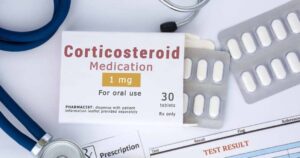

What Do Steroids Do to Your Body? The Ultimate Guide to Effects, Benefits, and Risks
Table of Contents
- Introduction
- What Do Steroids Do to Your Body at the Cellular Level?
- Positive and Performance Effects
- What Do Steroids Do to Your Body’s Systems? Health Risks and Side Effects
- Men vs. Women: Sex-Specific Effects
- Short-Term vs. Long-Term Impact
- Mitigating Harm and Safer Alternatives
- Conclusion
Introduction
A person can add noticeable muscle in weeks, recover faster than seems possible, and then, years later, face heart failure, infertility, or a testosterone level that no longer works on its own. That contradiction is why people keep asking what do steroids do to your body, and why the honest answer is more complicated than either gym lore or scare campaigns suggest.
Anabolic-androgenic steroids (AAS) are synthetic derivatives of testosterone. They have legitimate medical uses, such as treating hypogonadism, muscle wasting from chronic illness, and delayed puberty. Outside medicine, they are used to build size and strength well beyond natural limits. This guide explains the biology, the real benefits, the documented harms, and what the evidence says about reducing risk. It is educational only and not medical advice. What Do Steroids Do to Your Body? The Ultimate Guide to Effects, Benefits, and Risks
Fast Fact: The US National Institute on Drug Abuse notes that AAS are prescribed for specific medical conditions, but non-medical use is illegal and linked to serious health consequences. (NIDA)
What Do Steroids Do to Your Body at the Cellular Level?
To understand what do steroids do to your body, start inside the muscle cell. Anabolic steroids work by mimicking testosterone, the body’s main androgen, and amplifying the signals it normally sends.
Androgen Receptors: The Lock and Key
Steroid molecules are fat-soluble, so they slip through cell membranes easily. Inside muscle cells they bind to androgen receptors. The steroid-receptor complex then travels to the cell nucleus and attaches to specific DNA sequences, switching on genes involved in muscle growth and repair. This is the core of how steroids work on muscles.
Protein Synthesis and Nitrogen Retention
Muscle is built from protein. Muscle protein synthesis (building) is constantly balanced against protein breakdown. Anabolic steroids tilt that balance in two ways:
- Increased protein synthesis: more of the amino acids you eat are assembled into new muscle proteins.
- Improved nitrogen retention: muscle tissue is nitrogen-rich, so keeping a positive nitrogen balance means the body is building more than it breaks down.
- Anti-catabolic effects: some research suggests steroids blunt the action of cortisol and other catabolic signals, protecting muscle during hard training or calorie restriction.
Satellite Cell Activation and Myonuclei
Muscle fibers can’t simply divide to grow. They rely on satellite cells, dormant stem-like cells that sit beside each fiber. When activated, they fuse with the fiber and donate their nuclei, adding more “construction crews” to support a bigger cell. Research indicates that testosterone and related compounds increase satellite cell numbers and raise the count of myonuclei per fiber.
This is also the basis of the concept of “muscle memory.” Extra myonuclei may persist for a long time, which helps explain why former users can regain size more quickly than people who never used.
The Landmark Evidence
A frequently cited randomized trial published in the New England Journal of Medicine gave healthy men supraphysiologic testosterone and found that muscle size and strength increased, even without exercise, and more so with it. (Bhasin et al., NEJM 1996)
Key Takeaway: Steroids bind androgen receptors, activate genes for growth, increase protein synthesis, help the body retain nitrogen, and expand the satellite cell pool that supports bigger muscle fibers.
Positive and Performance Effects
Honest coverage of anabolic steroids body effects has to acknowledge why people use them. The performance effects are real, which is exactly why the risks are tempting to ignore.
Hypertrophy (Muscle Growth)
Steroids increase muscle fiber size, and likely fiber number through satellite cell activity. Clinical trials show measurable gains in lean mass over weeks, and the effect is dose-dependent. This is the heart of muscle building steroids explained: the compounds raise the ceiling on how much muscle the body can add and how quickly.
Strength Gains
Strength typically rises alongside lean mass, and some users report neurological and motivational effects that let them train harder. Studies in both young and older men show improved strength with testosterone administration.
Erythropoiesis: More Red Blood Cells
Androgens stimulate the kidneys to produce more erythropoietin (EPO) and may enhance bone marrow response. The result is higher hemoglobin and hematocrit, which can improve oxygen delivery. In medical settings, certain anabolic steroids have even been used to treat some anemias. This benefit has a flip side, discussed below: thicker blood raises clot and stroke risk. What Do Steroids Do to Your Body? The Ultimate Guide to Effects, Benefits, and Risks
Accelerated Recovery
Users commonly report shorter recovery between sessions. Mechanistically, this relates to reduced muscle breakdown, enhanced repair signaling, and glycogen storage effects. Faster recovery allows higher training volume, compounding the gains.
Fat Loss and Body Composition
Higher lean mass raises metabolic demand, and androgens influence fat distribution, often reducing fat mass in studies when combined with training.
Fast Fact: Many of these benefits are well documented in medical literature on testosterone and related therapies. The difficulty is that the doses used non-medically are often many times higher than those studied, and the harms scale up with them.
Thinking about what do steroids do to your body only in terms of mirror results misses half the picture. The next section covers the other half.
What Do Steroids Do to Your Body’s Systems? Health Risks and Side Effects
This section covers the side effects of anabolic steroids and the broader question of anabolic steroids organ damage. The Endocrine Society’s scientific statement on performance-enhancing drugs and the Mayo Clinic’s overview both catalogue these risks. (Mayo Clinic, MedlinePlus)
Cardiovascular Strain
The cardiovascular system is arguably where steroids do the most serious long-term damage.
- Cholesterol disruption: steroids, especially oral ones, tend to lower HDL (“good”) cholesterol sharply and raise LDL (“bad”) cholesterol, accelerating plaque formation.
- Blood pressure: fluid retention, vascular changes, and increased hematocrit can raise blood pressure.
- Cardiac remodeling: studies of long-term users have found thickened left ventricular walls and reduced pumping function in some, with an increased incidence of cardiomyopathy.
- Clotting risk: higher red blood cell counts thicken blood, raising the risk of thrombosis, heart attack, and stroke.
Imaging studies of experienced lifters who used AAS for years have shown more coronary plaque and weaker heart function than non-users, and the risk appears to rise with cumulative exposure.
Hepatic (Liver) Impact
Certain oral steroids, specifically 17-alpha-alkylated compounds, are modified so they survive passage through the liver. That modification makes them more liver-toxic. Documented problems include:
- Elevated liver enzymes
- Cholestasis (impaired bile flow)
- Peliosis hepatis (blood-filled cysts in the liver)
- Liver tumors in rare cases
Injectable forms generally place less direct strain on the liver but carry their own risks, including those from injection practices and contaminated products.
Endocrine Suppression: The HPTA Axis
Understanding the steroid effect on testosterone production requires understanding the hypothalamic-pituitary-testicular axis (HPTA):
- The hypothalamus releases GnRH.
- The pituitary responds with LH and FSH.
- LH tells the testes to make testosterone; FSH supports sperm production.
- Testosterone in the blood signals back to dial the whole system down.
When you introduce external androgens, the brain detects abundant testosterone and shuts down GnRH, LH, and FSH. The testes, receiving no signal, stop producing testosterone and sperm and can shrink. After stopping, recovery of the axis can take months, and in some users it is incomplete or does not return to baseline, leaving them dependent on medical testosterone therapy.
Key Takeaway: The more the body relies on outside androgens, the less it makes its own. This suppression is the most predictable consequence of use and one of the least reversible.
Psychological Effects: “Roid Rage” and Mood Changes
Popular culture exaggerates “roid rage,” but the concern is not imaginary. Research shows that a subset of users experience:
- Irritability and aggression
- Mood swings, including hypomania during use
- Depression and fatigue after stopping, which can occasionally be severe, with suicidal thoughts reported in some cases
- Body-image distortion (muscle dysmorphia)
- Dependence: NIDA reports that some users continue despite harm, consistent with a dependence syndrome
Individual variation is wide. Many users never become aggressive, but there’s no reliable way to predict who will.
Other Systemic Effects
- Skin: severe acne, oily skin, stretch marks
- Hair: accelerated male-pattern baldness in those predisposed
- Joints and tendons: muscle strength can outpace tendon strength, raising tear risk
- Kidneys: strain from high blood pressure and, in some reports, structural kidney changes (focal segmental glomerulosclerosis) in heavy users
- Infection risks: HIV, hepatitis, and abscesses from shared needles or unsterile injection
- Contaminated products: black-market products are frequently mislabeled, under-dosed, or contaminated
Men vs. Women: Sex-Specific Effects
Hormones affect male and female bodies differently, so the answer to what do steroids do to your body depends partly on who is asking.
In Men
- Gynecomastia: some steroids convert to estrogen (aromatization), and the resulting hormonal imbalance can cause breast tissue growth.
- Testicular atrophy: with no LH/FSH stimulation, the testes shrink.
- Infertility: sperm production drops, sometimes to zero, for months or longer.
- Prostate effects: androgens can influence prostate growth.
- Early baldness: accelerated in genetically susceptible men.
In Women
Women are especially vulnerable to virilization, the development of male characteristics. Many are partly irreversible:
- Deepened voice (often permanent)
- Facial and body hair growth
- Clitoral enlargement
- Menstrual irregularities or cessation
- Male-pattern hair loss
- Reduced breast size
Even relatively small doses can trigger voice changes. The Mayo Clinic and other medical authorities specifically flag these irreversible changes as a major risk for women.
In Adolescents
Teens face an additional danger: steroids can prematurely close growth plates, causing permanent stunted growth, on top of the other risks.
Fast Fact: Some changes are reversible after stopping (acne, some fertility loss). Others, like voice deepening in women, are usually permanent.
Short-Term vs. Long-Term Impact
A clear view of short term vs long term steroid effects helps explain why harms often go unnoticed until they are advanced.
Short-Term Effects (During Use)
- Rapid gains in lean mass and strength
- Faster recovery and increased drive
- Water retention and “puffiness”
- Acne, oily skin, and sometimes sleep disturbance
- Mood changes: elevated confidence, irritability
- Rising blood pressure and falling HDL cholesterol, which you can’t feel
- Fast suppression of natural testosterone production
Long-Term Effects (Months to Years)
- Cardiovascular disease: premature atherosclerosis, cardiomyopathy, heart attack, stroke
- Persistent hypogonadism: the body may not restore its natural production
- Infertility
- Liver damage: with chronic use of oral compounds
- Psychiatric consequences: depression, dependence, muscle dysmorphia
- Permanent physical changes: voice and hair changes in women, baldness in men, tendon injuries
The Timing Problem
The most dangerous harms, such as plaque buildup, cardiac remodeling, and hormonal axis damage, give no obvious warning in the early months. Gains arrive quickly, while the costs accumulate quietly. This mismatch is one reason users often underestimate risk. People in their twenties may feel invincible, and the consequences appear in their forties and fifties, sometimes as sudden cardiac events.
| Effect | During Use | Long-Term |
|---|---|---|
| Muscle & strength | Rapid gains | Partially retained with training |
| Natural testosterone | Suppressed | May stay low |
| Cholesterol | Worsens | Raises cardiovascular risk |
| Fertility | Reduced | Sometimes persistent |
| Mood | Variable | Possible depression/dependence |
| Voice (women) | May deepen | Often permanent |
Mitigating Harm and Safer Alternatives
No approach makes non-medical steroid use risk-free. What is useful here is knowing how medicine monitors androgen exposure, what the evidence says about popular harm-reduction claims, and how far legal options can take you.
Medical Supervision and Monitoring
People using androgens under physician care, such as those on testosterone replacement for diagnosed hypogonadism, are monitored for several markers. Clinicians typically track:
- Lipid panel (HDL, LDL, triglycerides)
- Blood pressure at regular visits
- Hematocrit and hemoglobin, to catch dangerous thickening of the blood
- Liver enzymes and kidney function
- Hormone levels (testosterone, LH, FSH, estradiol)
- PSA and prostate assessment where relevant
- Mental health screening
Anyone who has used or is considering using steroids should be honest with a doctor. Physicians are generally focused on safety, not judgment, and endocrinologists and sports medicine physicians see this regularly.
A Word on “PCT” and Online Advice
Post-cycle therapy is widely discussed in online forums, but the evidence for many self-directed protocols is thin, and some of the drugs involved are themselves prescription medicines with side effects. Recovery of the HPTA axis is unpredictable, and a self-managed approach can mask problems. If you’ve been using and want to stop, an endocrinologist can run labs and decide whether and how to support recovery.
Safe Steroid Alternative Options
If you’re searching for safe steroid alternative options, be cautious about the word “safe,” especially for supplements marketed as “legal steroids” or SARMs. Some SARMs are unapproved, have been linked to liver injury and cardiovascular concerns, and are prohibited by sports bodies; products are also frequently mislabeled. Options with strong evidence include:
- Progressive resistance training: the primary driver of natural hypertrophy. Progressive overload, adequate volume, and consistency matter most.
- Adequate protein: commonly recommended intakes for people training for muscle gain fall around 1.6 g per kg of body weight per day, supported by meta-analyses of resistance-training studies.
- Creatine monohydrate: among the most researched supplements, with consistent evidence for improved strength and lean mass in healthy adults.
- Sufficient calories and carbohydrates to fuel training and recovery.
- Sleep: poor sleep reduces testosterone and impairs recovery. Seven to nine hours is a widely used target.
- Managing stress and alcohol: both interfere with hormonal health.
- Treating low testosterone medically: if bloodwork confirms deficiency, a doctor can prescribe testosterone therapy with proper monitoring, which is a legal and supervised route.
Legal Considerations
In the US, anabolic steroids are Schedule III controlled substances under the Controlled Substances Act, meaning possession or distribution without a prescription is illegal. (DEA Diversion Control Division) Laws differ elsewhere, and competitive athletes also face testing and bans from bodies such as WADA.
Key Takeaway: The best “harm reduction” is information plus medical guidance. Legal, evidence-based training and nutrition deliver most of the achievable results for most people, without the downside risk.
Conclusion
So, what do steroids do to your body? In the short term, they bind androgen receptors, boost protein synthesis, expand muscle fibers, raise red blood cell counts, and speed recovery. Over time they suppress your own hormone production, strain the heart and liver, alter mood, and in some cases cause damage that doesn’t reverse.
The risk-to-reward ratio is lopsided for most people. The benefits (muscle, strength, recovery) arrive fast and visibly. The costs (cardiovascular disease, infertility, persistent hypogonadism, psychiatric effects) arrive slowly, often invisibly, and sometimes permanently. For non-medical users there’s also legal exposure and the unreliability of unregulated products.
If you take one thing away: understanding what do steroids do to your body is the first step toward making an informed decision, and the second is talking to a qualified physician before acting on it. If you’re already using, or have used, anabolic steroids, schedule bloodwork and a candid conversation with an endocrinologist or sports medicine doctor. For further reading, start with these trusted resources: NIDA, Mayo Clinic, and MedlinePlus.
Disclaimer: This article is for educational purposes only and does not constitute medical advice. Consult a licensed healthcare professional about your individual situation.
Notes for publishing:
- Please verify all links before going live, since URLs on government and clinic sites change.
- The statistics and claims (e.g., the protein intake figure) are general and widely cited, but add specific citations if your SEO or compliance team wants them.
- Your site’s business model may carry legal and advertising-policy risks (Google and Meta restrict steroid sales content). That’s worth checking independently.