
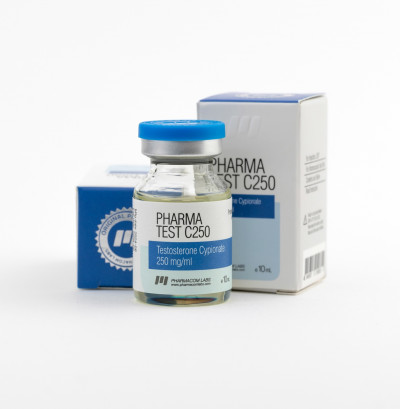
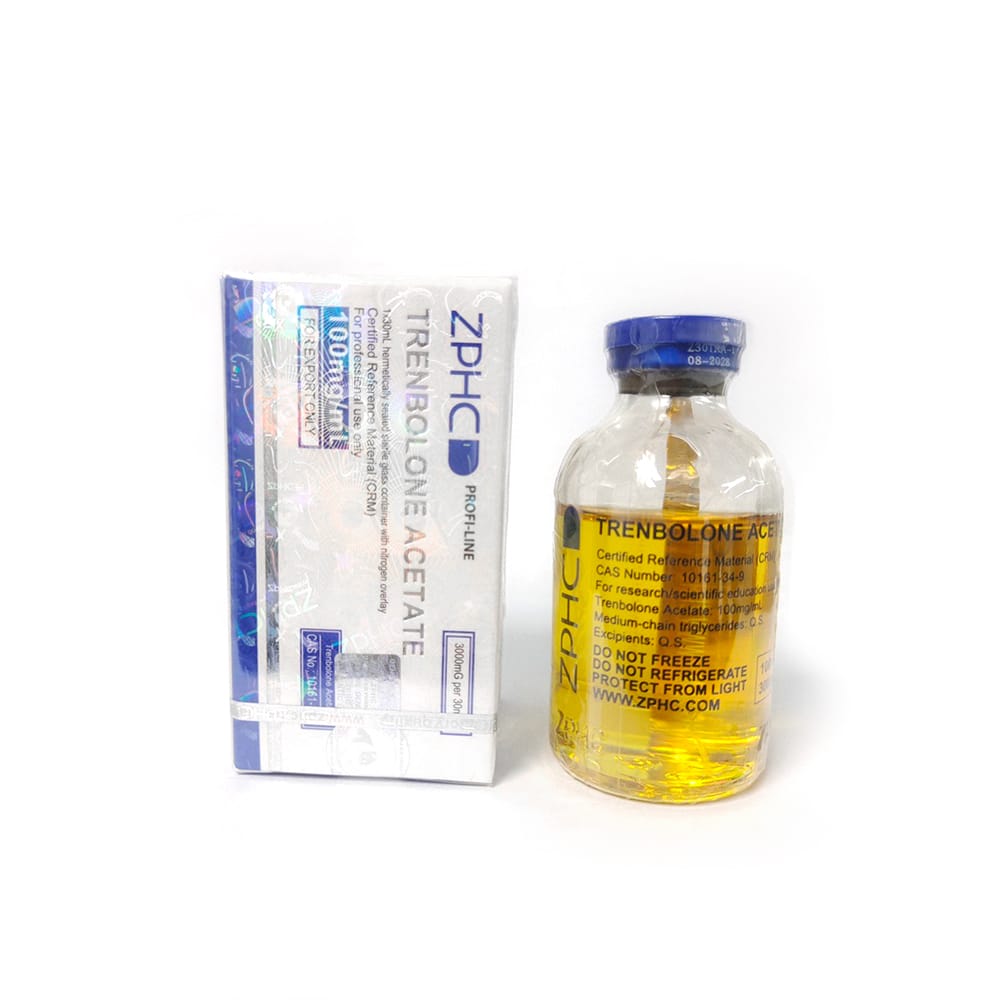
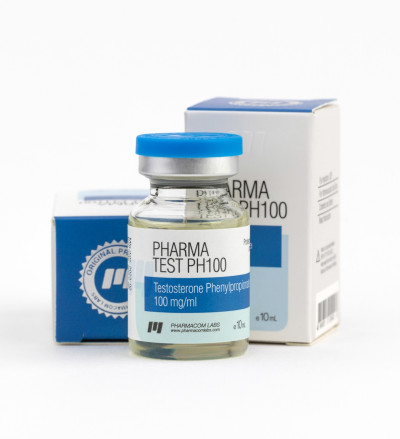
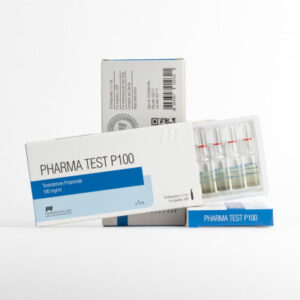
PHARMATEST PH 100
$60.00
Activity Half-Life: 2-3 days
Water Retention: Low
Classification: Anabolic Steroid
HBR: No
Dosage: Men 300-700 mg/week
Hepatotoxicity: No
Acne: Yes
Aromatization: Yes
Description
Buy PHARMATEST PH 100: Fast-Acting Testosterone Phenylpropionate for Versatile Cycle Design
PHARMATEST PH 100 (Testosterone Phenylpropionate) stands as one of the most effective mass-building anabolics known to man and is highly recommended as the base of both mass building and cutting cycles. Testosterone is responsible for promoting health and well-being through enhanced libido, energy, immunity, increased fat loss, gaining and maintaining lean muscle mass, preventing osteoporosis (loss of bone density), and possible protection against heart disease. It combines excellently with many other compounds both oral and injectable as part of a potent stack.
The phenylpropionate ester provides a unique pharmacokinetic profile that distinguishes it from other testosterone preparations. With an active life of approximately 4-5 days according to pharmacological reference data, the phenylpropionate ester sits directly in the middle of the propionate (short) and cypionate (long) versions of testosterone in terms of release time . This positioning makes it an ideal choice for users seeking faster onset of action compared to enanthate or cypionate, while offering a longer duration than propionate.
Whereas the half-life is only about 1-1.5 days longer as compared to testosterone propionate, the product’s characteristics and biological efficiency are much greater. With a half-life of around 2-3 days, it is a fast-release ester, excellent for shorter cycles and for minimizing bloat. The reduced water retention makes it particularly attractive for cutting phases and for users who are sensitive to estrogenic side effects.
Mechanism of Action
Testosterone phenylpropionate functions as a medium-acting androgen receptor agonist. Testosterone esters in oil injected intramuscularly are absorbed slowly from the lipid phase, with the ester side chain influencing the rate of release . Upon administration, the phenylpropionate ester is gradually cleaved, releasing free testosterone into the bloodstream. This exogenous testosterone binds to androgen receptors in target tissues, initiating anabolic effects including enhanced nitrogen retention and increased protein synthesis within muscle cells. Testosterone in plasma is 98% bound to a specific testosterone-estradiol binding globulin, with approximately 2% remaining free and biologically active .
The phenylpropionate ester provides a faster release profile compared to longer esters like cypionate or enanthate, resulting in more rapid peak serum testosterone concentrations. This pharmacokinetic characteristic makes it suitable for users who prefer shorter cycles, want to minimize water retention, or desire more rapid clearance of the compound from the system.
Product Features
-
Fast-Acting Ester: The phenylpropionate ester provides a rapid onset of action with an active life of 4-5 days
-
Low Water Retention: Minimal estrogenic water retention compared to longer esters, making it ideal for cutting cycles
-
Medium Half-Life: Approximately 2-3 days, allowing for flexible dosing schedules
-
Versatile Application: Suitable for both bulking and cutting cycles
-
Reduced Bloat: The fast-acting ester profile helps minimize fluid retention associated with testosterone therapy
Key Benefits
-
Rapid Onset: Faster peak serum testosterone concentrations compared to enanthate or cypionate
-
Improved Cycle Flexibility: Shorter half-life allows for quicker adjustments and easier cycle management
-
Minimized Bloat: Lower estrogenic water retention makes it suitable for lean mass phases
-
Significant Muscle Growth: Promotes substantial increases in lean muscle mass through enhanced protein synthesis
-
Enhanced Strength and Endurance: Boosts physical strength and stamina for more intense workouts
Recommended Use
Testosterone phenylpropionate is typically administered via deep intramuscular injection. Due to its half-life of approximately 2-3 days, injections are generally recommended at least every third day to maintain stable blood levels . Dosage protocols vary based on individual goals and experience levels, with typical ranges of 300-700 mg per week for performance enhancement purposes.
Users should be aware that exogenous testosterone administration will suppress natural testosterone production, and proper post-cycle therapy (PCT) is essential to restore endogenous hormonal function after a cycle. Regular monitoring of hematocrit, blood pressure, lipid profiles, and prostate-specific antigen (PSA) is strongly advised.
Side Effects
Potential side effects associated with testosterone phenylpropionate include:
-
Androgenic Effects: Acne, oily skin, accelerated hair loss in genetically predisposed individuals, and hirsutism . Common side effects also include increased sweating and headache .
-
Estrogenic Effects: Aromatization to estradiol may lead to gynecomastia and water retention. Gynecomastia may develop and persist in patients treated with testosterone .
-
Injection Site Reactions: Pain at the injection site is a commonly reported side effect .
-
Cardiovascular Risks: Testosterone can increase blood pressure, which may increase cardiovascular risk over time. Testosterone therapy may be associated with increased risk of serious cardiovascular events, including myocardial infarction, stroke, or heart failure .
-
Hematological Effects: May increase red blood cell mass (polycythemia). Regular monitoring of hematocrit and hemoglobin is advised .
-
Reproductive System Effects: May cause azoospermia or oligospermia, testicular atrophy, and changes in libido .
-
Other: Weight gain, changes in lipid metabolism, anxiety, depression, and mood alterations have been reported .
Contraindications
Testosterone phenylpropionate is contraindicated in men with carcinoma of the breast, men with known or suspected carcinoma of the prostate, patients with serious cardiac, hepatic or renal disease, women who are pregnant, and patients with known hypersensitivity to the drug . It is also contraindicated in children under 3 years of age and should not be given to women .
This product should only be used under the guidance of a qualified healthcare professional.
Top 10 Frequently Asked Questions
1. What is the half-life of Testosterone Phenylpropionate?
The half-life of Testosterone Phenylpropionate is approximately 2-3 days, with an active life of 4-5 days . This places it between testosterone propionate (short) and testosterone cypionate (long) in terms of release time.
2. What is the recommended dosage for Testosterone Phenylpropionate?
In performance enhancement contexts, dosages typically range from 300 to 700 mg per week. Due to its shorter half-life, injections are generally recommended at least every third day to maintain stable blood levels . Always follow a healthcare professional’s guidance.
3. How does Testosterone Phenylpropionate compare to other testosterone esters?
Testosterone Phenylpropionate provides a faster release profile compared to cypionate or enanthate, making it suitable for shorter cycles and for minimizing bloat. It sits directly in the middle of the propionate (short) and cypionate (long) versions of testosterone in terms of release time .
4. What is the best injection frequency for Testosterone Phenylpropionate?
Due to its half-life of approximately 2-3 days, injections are typically administered at least every third day to maintain stable blood levels . Some users may prefer every other day dosing for more consistent serum concentrations.
5. Does Testosterone Phenylpropionate convert to estrogen?
Yes, Testosterone Phenylpropionate aromatizes to estradiol. This can lead to estrogenic side effects such as gynecomastia and water retention, which may require the use of an aromatase inhibitor .
6. Is a Post-Cycle Therapy (PCT) necessary after a cycle?
Yes. Exogenous testosterone suppresses the body’s natural production of testosterone. Testosterone therapy may cause azoospermia or oligospermia, and proper PCT is essential to restore endogenous testosterone production .
7. What are the common side effects of Testosterone Phenylpropionate?
Common side effects include injection site pain, acne, increased sweating, headache, weight gain, and changes in libido . Other potential side effects include gynecomastia, increased hematocrit, and mood alterations .
8. Is Testosterone Phenylpropionate suitable for cutting cycles?
Yes. The fast-acting ester profile and lower water retention compared to longer esters make Testosterone Phenylpropionate particularly suitable for cutting cycles where minimizing bloat is a priority.
9. What steps should be taken before starting a cycle?
Before starting therapy, confirm the diagnosis of hypogonadism by measuring serum testosterone in the morning on at least two separate days. Baseline blood work should include complete blood count, lipid panel, liver function tests, prostate-specific antigen (PSA), and total/free testosterone levels. Testosterone therapy is not recommended in patients with uncontrolled hypertension .
10. Is Testosterone Phenylpropionate suitable for women?
Testosterone phenylpropionate is contraindicated in women who are pregnant and should not be given to women . The use of testosterone in women is generally limited to specific medical contexts such as palliative treatment of advanced breast cancer and is not recommended for use in healthy women due to virilizing effects .
Ready to take your physique to the next level?
Secure your supply of PHARMATEST PH 100 from a trusted source. Visit anabolicsteroidsonline.shop today to order and begin your journey to unprecedented muscle growth and strength.
Related products
-
- -8%
- Injectable Anabolic Steroids
Drostanolone Propionate ZPHC — 100 mg/ml (30 ml)
- Original price was: $190.00.$175.00Current price is: $175.00.
- Add to cart
Reviews
There are no reviews yet.