
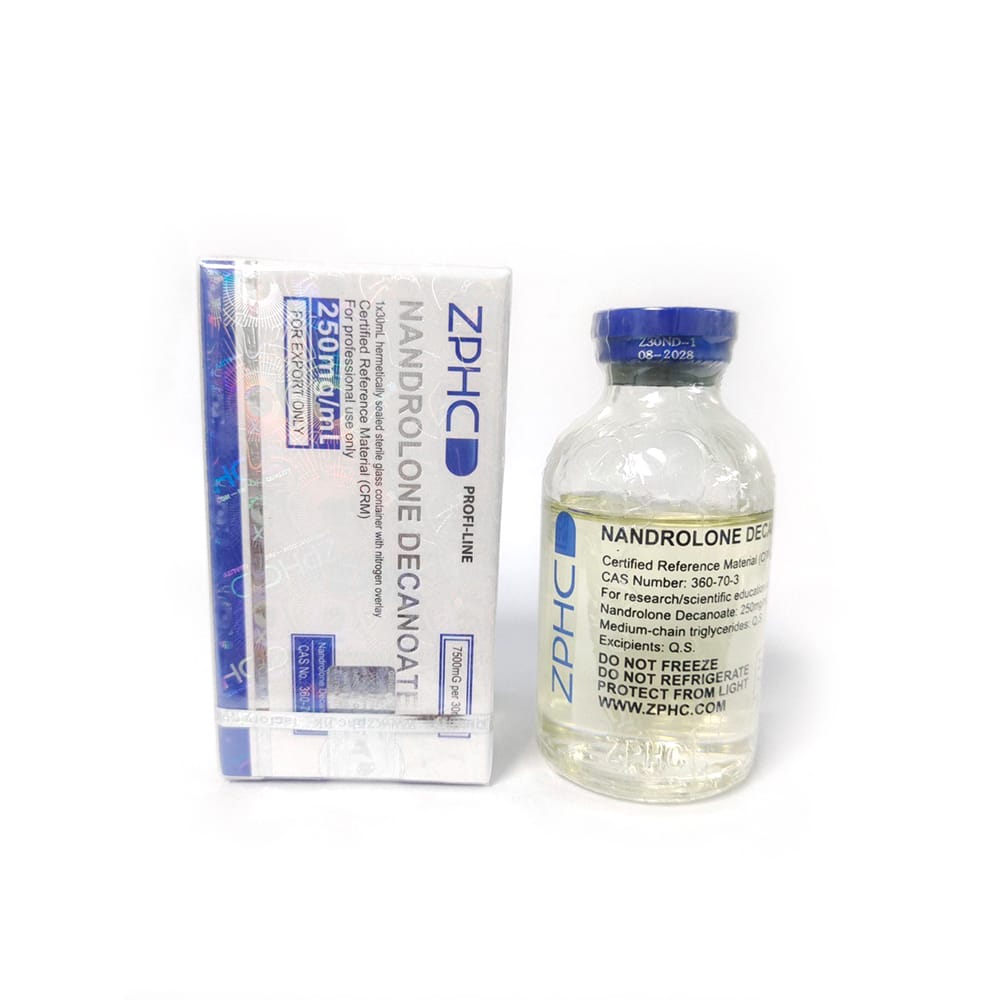
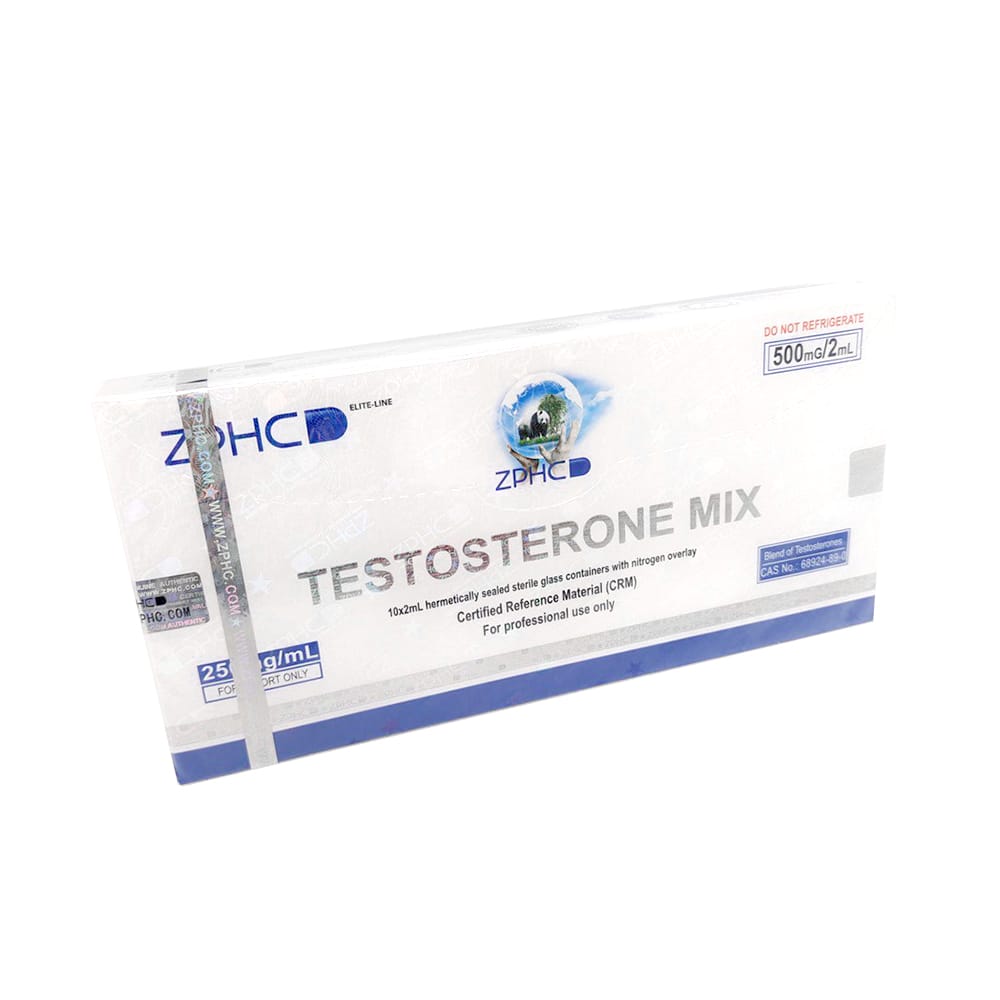
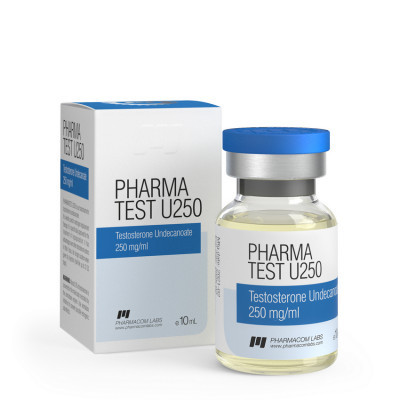
PHARMATEST U 250
$85.00
Activity Half-Life: 40-60 days
Water Retention: Yes
Classification: Anabolic Steroid
HBR: Perhaps
Dosage: Men 250 – 1500 mg / week
Hepatotoxicity: No
Acne: Yes
Aromatization: Yes
Description
Buy PHARMATEST U 250: The Ultimate Long-Acting Testosterone Undecanoate for Extended Cycles and HRT
PHARMATEST U 250 (Testosterone Undecanoate) represents the longest-acting testosterone ester available, offering an unprecedented half-life of approximately 30-36 days. This exceptional duration of action makes testosterone undecanoate a revolutionary option for both hormone replacement therapy (HRT) and performance enhancement, dramatically reducing injection frequency while maintaining stable serum testosterone levels.
Testosterone undecanoate is a testosterone ester linked to an undecanoate side chain. The longer the side chain, the greater the hydrophobicity of the ester and the greater the duration of action. This characteristic allows testosterone undecanoate to be administered at intervals as long as 2-3 months for HRT purposes, representing a significant improvement over shorter-acting esters like enanthate or cypionate which require injections every 1-2 weeks . Pharmacokinetic studies in hypogonadal men have demonstrated that single-dose injections of 500 mg or 1000 mg of testosterone undecanoate maintain serum testosterone concentrations within the normal range for at least 7 weeks . A terminal elimination half-life of 18.3 to 23.7 days has been reported in clinical studies, with a mean residence time of approximately 21-23 days . Additional pharmacokinetic data reports a half-life of 33.9 days .
Due to its long half-life, testosterone undecanoate is successfully used as hormone replacement therapy (HRT), with injection frequency reduced to once every 2-3 months. In bodybuilding, it serves as an exceptional basis for very long cycles, allowing users to dramatically reduce injection frequency while maintaining a smooth, stable hormonal background. The long-acting ester provides consistent testosterone levels without the peaks and troughs associated with shorter esters, making it ideal for users seeking convenience and stability in their protocol. A single introduction of 750 mg of testosterone undecanoate will create a three-month background at the level of the physiological norm. A dosage of 1500-2500 mg per month is suitable for extended cycle purposes, while 1000 mg every 2-3 months is appropriate for HRT.
Clinical research has demonstrated that injectable testosterone undecanoate effectively elevates serum total testosterone levels and maintains stable concentrations during the treatment period . The long dosing intervals of testosterone undecanoate have been shown to be safe, effective, and well-tolerated, with studies confirming its preference over shorter-acting esters due to the convenience of less frequent administration . The prolonged half-life means users can achieve and maintain a smooth hormonal background with significantly fewer injections than traditional testosterone preparations.
Mechanism of Action
Testosterone undecanoate functions as a long-acting androgen receptor agonist. Following intramuscular administration, the undecanoate ester is gradually cleaved by nonspecific esterases, releasing free testosterone into the bloodstream at a controlled rate over an extended period . This slow release profile is what distinguishes testosterone undecanoate from shorter-acting esters.
The extremely long half-life of testosterone undecanoate results from the undecanoate ester’s high lipophilicity and the resulting slow absorption from the intramuscular oil depot. Testosterone is metabolized via nonspecific esterases and approximately 90% of an intramuscularly administered dose is conjugated and eliminated in the urine, with about 6% eliminated unconjugated in the feces . Upon entering circulation, testosterone binds to androgen receptors in target tissues, initiating anabolic effects including enhanced nitrogen retention and increased protein synthesis within muscle cells.
Clinical studies have confirmed that injectable testosterone undecanoate effectively elevates serum total testosterone levels and maintains stable concentrations throughout the treatment period . Serum testosterone levels increase significantly within the first week post-injection and remain elevated, gradually decreasing and reaching the lower-normal limit by day 50-60 . This extended release profile makes testosterone undecanoate an ideal option for users seeking maximum convenience and hormonal stability.
Product Features
-
Ultra-Long-Acting Ester: The undecanoate ester provides an exceptional half-life of approximately 30-36 days, allowing for infrequent dosing
-
Extended Activity: Pharmacokinetic data demonstrates a half-life of 33.9 days with effects lasting up to 2-3 months
-
Smooth Hormonal Levels: Maintains stable serum testosterone concentrations without significant peaks and troughs
-
Maximum Convenience: Dramatically reduced injection frequency compared to shorter-acting esters
-
Pharmaceutical-Grade Quality: Manufactured to rigorous quality standards
Key Benefits
-
Exceptional Convenience: Reduce injection frequency to once every 2-6 weeks for cycles or once every 2-3 months for HRT
-
Stable Hormonal Background: Maintain smooth, consistent testosterone levels without significant peaks or troughs
-
Significant Muscle Growth: Promotes substantial increases in lean muscle mass through enhanced protein synthesis
-
Enhanced Strength and Endurance: Boosts physical strength and stamina for more intense workouts
-
Improved Recovery: Accelerates muscle repair and recovery for more effective training sessions
-
Flexible Cycle Integration: Works effectively as a base in stacks with a wide range of other anabolic agents
Recommended Use
PHARMATEST U 250 is typically administered via deep intramuscular injection into large muscle groups. Prior to initiating testosterone therapy, confirm the diagnosis of hypogonadism by ensuring that serum testosterone concentrations have been measured in the morning on at least two separate days and that these concentrations are below the normal range. Testosterone undecanoate should only be used in patients who require testosterone replacement therapy and in whom the benefits of the product outweigh the serious risks .
For HRT purposes, the recommended dosage is 1000 mg administered every 2-3 months. Clinical studies have demonstrated that 1000 mg of testosterone undecanoate maintains serum testosterone levels within the normal range with injections every 10-12 weeks . For extended cycles in performance enhancement contexts, dosages of 1500-2500 mg per month may be employed, with injection frequencies typically ranging from every 2-6 weeks.
Due to its long half-life, users should exercise caution when initiating therapy with testosterone undecanoate, as the extended duration of action means that adjustments take significantly longer to take effect compared to shorter-acting esters. Regular monitoring of hematocrit, blood pressure, lipid profiles, and prostate-specific antigen (PSA) is strongly advised throughout treatment .
Side Effects
Potential side effects associated with testosterone undecanoate include:
-
Cardiovascular Risks: Testosterone can increase blood pressure, which can increase the risk of heart attack or stroke. The FDA-approved prescribing information for oral testosterone undecanoate notes that blood pressure may increase, and risk may be greater for patients with existing risk factors . Testosterone products are not recommended for men with uncontrolled hypertension .
-
Hematological Effects: May increase red blood cell count (polycythemia). High red blood cell counts increase the risk of blood clots, strokes, and heart attacks . Monitor hematocrit approximately every 3 months .
-
Venous Thromboembolism: Deep vein thrombosis (DVT) and pulmonary embolism (PE) have been reported in patients using testosterone products .
-
Androgenic Effects: Acne, oily skin, accelerated hair loss in genetically predisposed individuals, and increased body hair. Acne is among the most commonly reported adverse reactions (incidence ≥2%) .
-
Estrogenic Effects: Aromatization to estradiol may lead to gynecomastia and water retention; aromatase inhibitors may be necessary
-
Prostate Effects: May worsen benign prostatic hyperplasia (BPH) symptoms. Monitor patients with BPH for worsening of signs and symptoms. Increased risk of prostate cancer – monitor PSA periodically .
-
Suppression of Natural Testosterone: Exogenous administration of androgens may lead to azoospermia .
-
Other: Edema with or without congestive heart failure may occur in patients with pre-existing cardiac, renal, or hepatic disease . Depression and suicidal ideation have occurred during clinical trials . Sleep apnea may occur in those with risk factors .
Contraindications
Testosterone undecanoate is contraindicated in men with carcinoma of the breast or known or suspected carcinoma of the prostate, women who are pregnant (testosterone may cause fetal harm), and patients with known hypersensitivity to testosterone undecanoate or any of its ingredients . This product should only be used under the guidance of a qualified healthcare professional.
Top 10 Frequently Asked Questions
1. What is the half-life of Testosterone Undecanoate?
The half-life of Testosterone Undecanoate is approximately 30-36 days. Pharmacokinetic studies have reported a terminal elimination half-life of 18.3 to 23.7 days, with a mean residence time of approximately 21-23 days . Additional data reports a half-life of 33.9 days . The extended half-life is what allows for injection intervals of 2-3 months.
2. What is the recommended dosage for Testosterone Undecanoate?
For HRT purposes, the recommended dosage is 1000 mg administered every 2-3 months . For performance enhancement contexts, dosages may range from 1500-2500 mg per month, with injection frequencies typically every 2-6 weeks. Always follow a healthcare professional’s guidance.
3. How does Testosterone Undecanoate compare to Testosterone Enanthate or Cypionate?
Testosterone Undecanoate has a significantly longer half-life (30-36 days) compared to Enanthate (4-5 days) or Cypionate (8 days). This allows for injection intervals of 2-3 months for HRT, compared to weekly or bi-weekly injections required with shorter esters . Clinical studies have shown that both forms are safe, effective, and well-tolerated, but testosterone undecanoate is often preferred due to its long dosing intervals .
4. What is the best injection frequency for PHARMATEST U 250?
For HRT purposes, injections are typically administered every 2-3 months (every 10-12 weeks) . In clinical practice, testosterone undecanoate is administered at initiation, at 4 weeks, and then every 10 weeks thereafter . For performance enhancement cycles, injection frequencies may be every 2-6 weeks depending on dosage.
5. Does Testosterone Undecanoate convert to estrogen?
Yes, testosterone undecanoate aromatizes to estradiol. This can lead to estrogenic side effects such as gynecomastia and water retention, which may require the use of an aromatase inhibitor. Estradiol levels are monitored alongside testosterone during treatment.
6. Is a Post-Cycle Therapy (PCT) necessary after a cycle?
Yes. Exogenous testosterone suppresses the body’s natural production of testosterone and may lead to azoospermia . A PCT protocol using medications like Selective Estrogen Receptor Modulators (SERMs) or Human Chorionic Gonadotropin (hCG) is essential to restore endogenous testosterone production. Due to the long half-life, PCT may need to be initiated later than with shorter esters.
7. What are the most common side effects of Testosterone Undecanoate?
The most commonly reported adverse reactions (incidence ≥2%) include acne, injection site pain, PSA increased, estradiol increased, fatigue, irritability, hemoglobin increased, insomnia, and mood swings . Other significant risks include increased blood pressure, elevated hematocrit, and potential cardiovascular events .
8. What steps should be taken before starting a cycle?
Before starting therapy, confirm the diagnosis of hypogonadism by measuring serum testosterone in the morning on at least two separate days to ensure levels are below the normal range . Baseline blood work should include complete blood count, lipid panel, liver function tests, prostate-specific antigen (PSA), and total/free testosterone levels. Monitor patients with benign prostatic hypertrophy for worsening symptoms . Testosterone products are not recommended for use in men with uncontrolled hypertension .
9. Can Testosterone Undecanoate be used for long cycles?
Yes, testosterone undecanoate is particularly suitable for very long cycles due to its extended half-life. It provides a smooth, stable hormonal background with significantly reduced injection frequency. In the bodybuilding context, it is used as a basis for long cycles, allowing injection frequencies of every 2-6 weeks, making it ideal for extended bulking or maintenance phases.
10. Is Testosterone Undecanoate suitable for women?
Testosterone undecanoate is contraindicated in women who are pregnant, as testosterone may cause fetal harm . The use of testosterone in women is generally limited to specific medical contexts and is not recommended for use in healthy women due to virilizing effects. The FDA-approved labeling states that testosterone undecanoate is not meant for use by women .
Ready to take your physique to the next level?
Secure your supply of PHARMATEST U 250 from a trusted source. Visit anabolicsteroidsonline.shop today to order and begin your journey to unprecedented muscle growth and strength.
Related products
-
- -13%
- HGH & Peptides, Injectable Anabolic Steroids
Strotropin 240iu Human Growth Hormone HGH Kit
- Original price was: $400.00.$350.00Current price is: $350.00.
- Add to cart
-
- -8%
- Injectable Anabolic Steroids
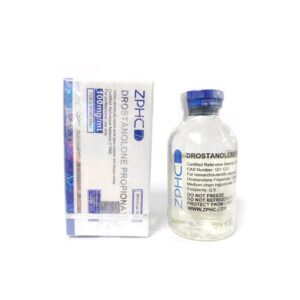
Drostanolone Propionate ZPHC — 100 mg/ml (30 ml)
- Original price was: $190.00.$175.00Current price is: $175.00.
- Add to cart
Reviews
There are no reviews yet.