
Thyroid Liothyronine (T3) 50mcg ZPHC | USA Domestic
Original price was: $75.00.$57.00Current price is: $57.00.
Thyroid Liothyronine (T3) 50mcg ZPHC
Product Description
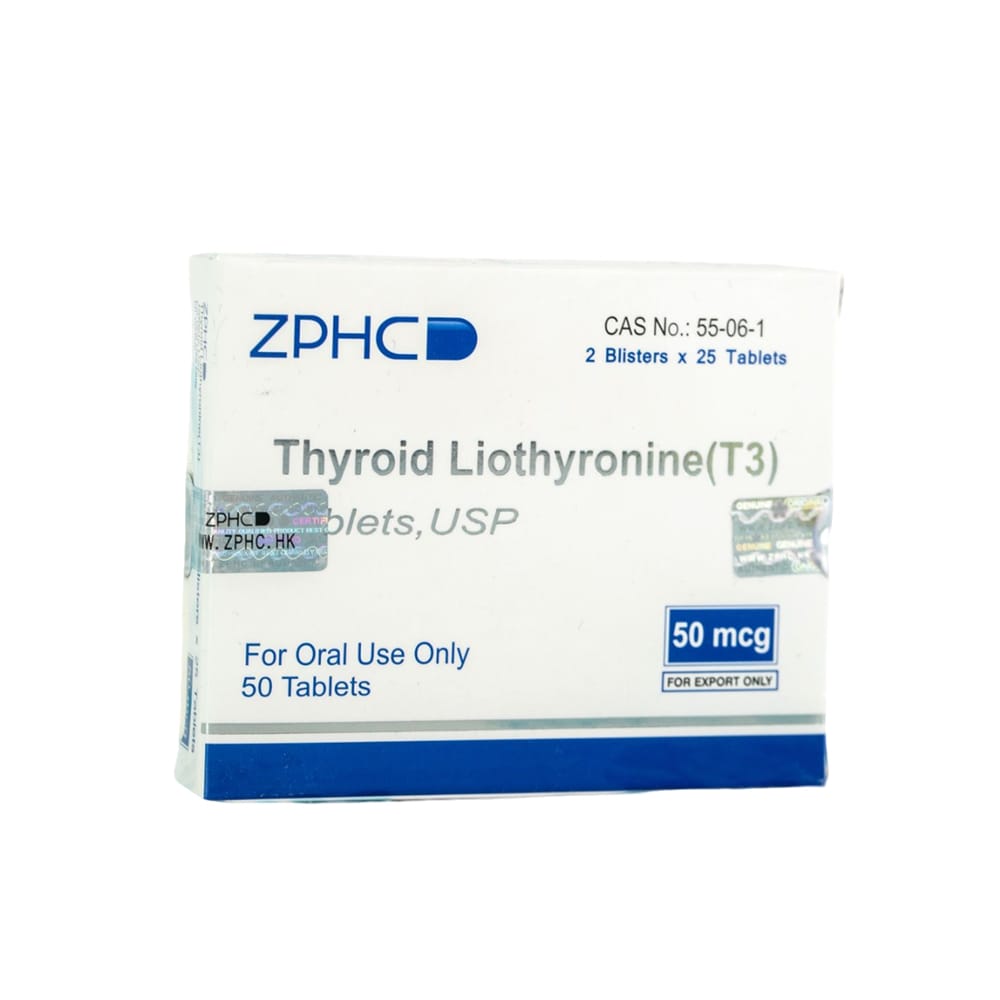
Thyroid Liothyronine (T3) 50mcg ZPHC is a high-quality synthetic thyroid hormone containing the active ingredient Liothyronine Sodium. This pharmaceutical-grade product is manufactured by ZPHC and provides 50 mcg of potent T3 hormone per tablet, with 100 tablets per box.
Liothyronine is the active form of thyroid hormone that plays a central role in regulating metabolic rate, energy expenditure, and body weight balance . As the more bioavailable form compared to T4, Liothyronine acts directly on nuclear thyroid receptors to regulate gene transcription involved in metabolism, cellular differentiation, and growth . This makes it an effective compound for those seeking to optimize metabolic function.
Description
Thyroid Liothyronine (T3) 50mcg ZPHC
Product Description
Thyroid Liothyronine (T3) 50mcg ZPHC is a high-quality synthetic thyroid hormone containing the active ingredient Liothyronine Sodium. This pharmaceutical-grade product is manufactured by ZPHC and provides 50 mcg of potent T3 hormone per tablet, with 100 tablets per box.
Liothyronine is the active form of thyroid hormone that plays a central role in regulating metabolic rate, energy expenditure, and body weight balance . As the more bioavailable form compared to T4, Liothyronine acts directly on nuclear thyroid receptors to regulate gene transcription involved in metabolism, cellular differentiation, and growth . This makes it an effective compound for those seeking to optimize metabolic function.
Key Features
-
Potency: 50 mcg Liothyronine Sodium per tablet
-
Quantity: 100 tablets per box (100-dose supply)
-
Administration: Oral tablets for precise dosing
-
Manufacturer: ZPHC
-
Half-Life: Approximately 2.5 days
-
USA Domestic: Available for domestic customers with 2-5 day shipping
Primary Applications
The primary approved medical indications for Liothyronine include :
-
Hypothyroidism: Replacement therapy in primary, secondary, and tertiary congenital or acquired hypothyroidism
-
Pituitary TSH Suppression: As an adjunct to surgery and radioiodine therapy in the management of well-differentiated thyroid cancer
-
Thyroid Suppression Test: As a diagnostic agent in suppression tests to differentiate suspected mild hyperthyroidism or thyroid gland autonomy
Liothyronine’s potent metabolic effects have also made it of interest to researchers studying metabolic rate, weight management, and energy expenditure .
Dosage Information
The recommended starting dosage for adults is 25 mcg orally once daily, with increases by 25 mcg increments every 1 to 2 weeks if needed. The usual maintenance dose ranges from 25 mcg to 75 mcg once daily . Individual response and laboratory findings should guide dosage adjustments. For elderly patients or those with underlying cardiac disease, lower starting doses with smaller increments are recommended .
Important Safety Information
Liothyronine sodium tablets carry a boxed warning: Thyroid hormones should not be used for the treatment of obesity or for weight loss, and doses beyond the range of daily hormonal requirements may produce serious or even life-threatening manifestations of toxicity .
Common Adverse Reactions
The most common adverse reactions associated with Liothyronine therapy are primarily those of hyperthyroidism due to therapeutic overdosage, including :
-
Cardiovascular: Palpitations, tachycardia, arrhythmias, increased pulse and blood pressure
-
Neurological: Nervousness, anxiety, irritability, insomnia, headache, tremors
-
Gastrointestinal: Diarrhea, abdominal cramps, weight loss, increased appetite
-
Other: Heat intolerance, excessive sweating, muscle weakness, hair loss
Contraindications
Liothyronine is contraindicated in patients with uncorrected adrenal cortical insufficiency .
Warnings and Precautions
-
Cardiac Risk: Initiate at less than full replacement dose in elderly patients and those with underlying cardiovascular disease due to increased risk of cardiac adverse reactions
-
Adrenal Crisis: Patients with concomitant adrenal insufficiency should receive replacement glucocorticoids prior to initiation of Liothyronine treatment
-
Diabetes Management: Liothyronine therapy may worsen glycemic control, requiring increased antidiabetic agent or insulin doses
-
Bone Mineral Density: Over-replacement can increase bone resorption and decrease bone mineral density; use the lowest effective dose
-
Not for Weight Loss: Thyroid hormones should not be used for the treatment of obesity or for weight loss
Storage
Store in a cool, dry place away from direct sunlight and out of reach of children.
Purchase Information
Thyroid Liothyronine (T3) 50mcg ZPHC is available for USA domestic customers. Delivery is quick and reliable, with shipping times ranging from 2 to 5 days.
Top 10 Frequently Asked Questions
1. What is Liothyronine (T3)?
Liothyronine is a synthetic form of triiodothyronine (T3), the active thyroid hormone produced by the thyroid gland. It is approximately four times as potent as levothyroxine (T4) and acts more rapidly to increase metabolic rate . T3 is the form of thyroid hormone that binds to nuclear receptors to regulate metabolism, protein synthesis, and catecholamine sensitivity .
2. What is the recommended dosage of Liothyronine?
For adults with hypothyroidism, the recommended starting dosage is 25 mcg once daily, increased by 25 mcg every 1 to 2 weeks as needed. The usual maintenance dose ranges from 25 mcg to 75 mcg once daily . For elderly patients or those with cardiac disease, a lower starting dose of 5 mcg once daily with 5 mcg increments is recommended .
3. What are the potential side effects?
The most common adverse reactions are signs of hyperthyroidism from overdosage and include: palpitations, tachycardia, nervousness, anxiety, insomnia, tremors, increased appetite, weight loss, diarrhea, heat intolerance, excessive sweating, muscle weakness, and menstrual irregularities .
4. Is Liothyronine approved for weight loss?
No. Liothyronine sodium tablets carry a boxed warning stating that thyroid hormones should not be used for the treatment of obesity or for weight loss . Doses beyond daily hormonal requirements may produce serious or life-threatening toxicity .
5. How does Liothyronine differ from Levothyroxine?
Levothyroxine (T4) is a prohormone that requires conversion to T3 in peripheral tissues to become active. Liothyronine (T3) is the active form that acts directly on cells. Liothyronine is approximately four times as potent as levothyroxine and has a shorter half-life (approximately 2.5 days compared to 7 days for levothyroxine), requiring more frequent dosing and careful monitoring .
6. What drug interactions should I be aware of?
Liothyronine may increase the effects of certain medications including tricyclic antidepressants, potentially increasing cardiovascular effects and arrhythmias. It may also antagonize the effects of antidiabetic agents, requiring dose adjustments and more frequent glucose monitoring . Estrogen-containing contraceptives may increase the dose requirement of thyroid hormone replacement .
7. Can Liothyronine be used with diabetes medications?
Yes, but careful monitoring is required. Liothyronine therapy may worsen glycemic control and result in increased antidiabetic agent or insulin requirements. Glucose levels should be monitored closely when starting, changing, or discontinuing thyroid hormone therapy .
8. What are the contraindications for Liothyronine use?
Liothyronine is contraindicated in patients with uncorrected adrenal cortical insufficiency . It should not be used in patients with thyrotoxicosis or hypersensitivity to any component of the product.
9. How does Liothyronine affect metabolism?
Liothyronine increases basal metabolic rate through direct action on nuclear thyroid receptors, regulating gene transcription involved in metabolism, cellular differentiation, and growth . Research has shown that T3 increases weight loss in obese patients on calorie-restricted diets, though this is primarily at the expense of lean body mass rather than fat .
10. What is the detection time for Liothyronine in drug tests?
Liothyronine is typically not detectable in standard drug tests. Standard drug screening panels do not screen for thyroid hormones. However, specialized testing can detect thyroid hormone levels in blood samples.
Purchase Thyroid Liothyronine (T3) 50mcg ZPHC today. USA domestic shipping available with delivery in 2-5 days. Click here to place your order: https://anabolicsteroidsonline.shop/
Related products
-
- -30%
- Post Cycle Therapy (PCT)
L-Thyroxine (T4) ZPHC — 0.1 mg × 100 tablets
- Original price was: $37.00.$26.00Current price is: $26.00.
- Add to cart
-
- -20%
- Post Cycle Therapy (PCT)
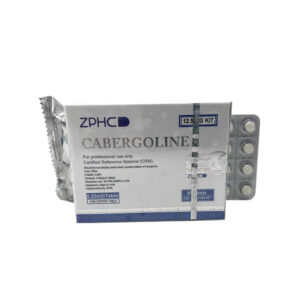
Cabergoline ZPHC — 0.25 mg × 50 tablets
- Original price was: $75.00.$60.00Current price is: $60.00.
- Add to cart
-
- -19%
- Post Cycle Therapy (PCT)
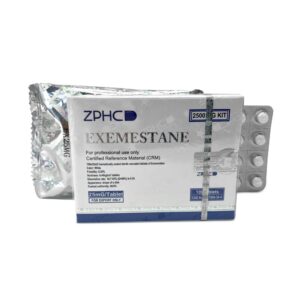
Exemestane ZPHC (Aromasin®) – 25 mg × 100 Tablets
- Original price was: $80.00.$65.00Current price is: $65.00.
- Add to cart
Reviews
There are no reviews yet.