
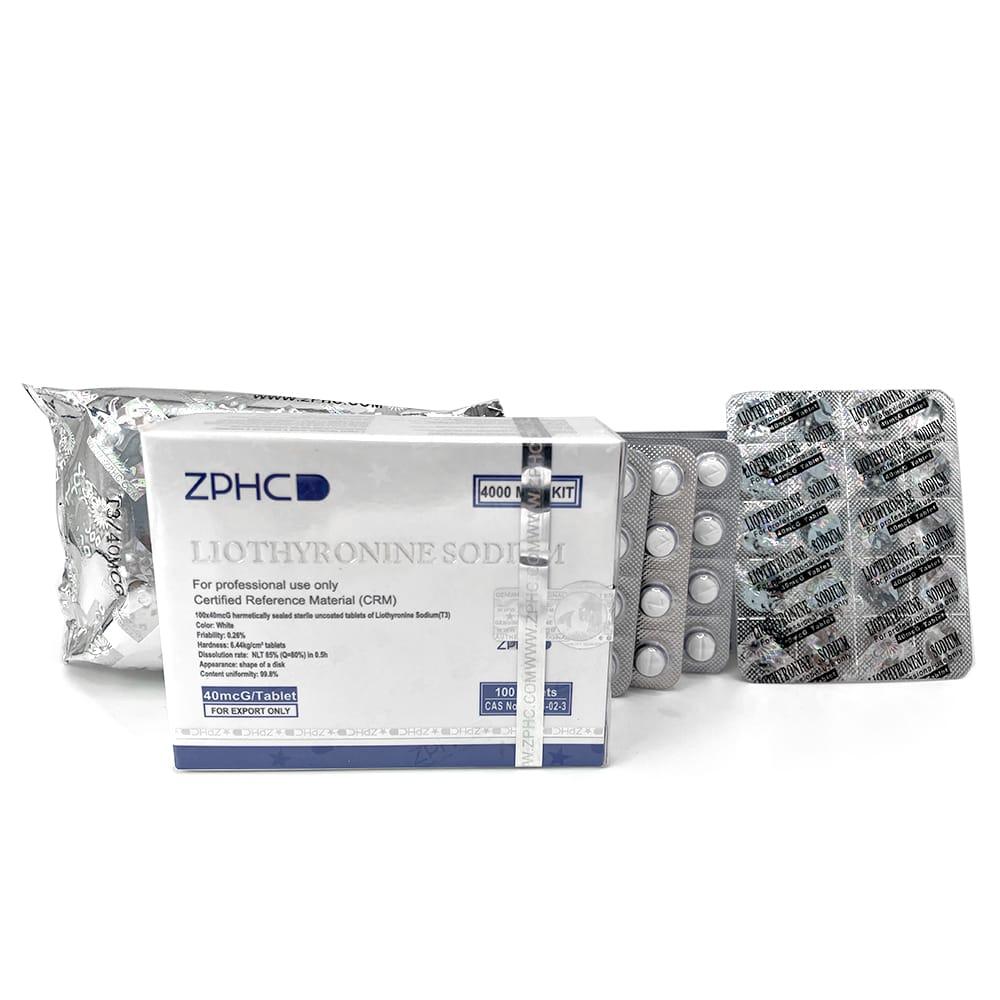
Liothyronine Sodium (T3) ZPHC — 40 mcg (100 tablets × 40 mcg)
Original price was: $55.00.$37.00Current price is: $37.00.
Liothyronine Sodium (T3) ZPHC — 40 mcg (100 Tablets)
Product Overview
Liothyronine Sodium, commonly known as T3, is a synthetic form of the thyroid hormone triiodothyronine manufactured by ZPHC. Each tablet contains 40 mcg of Liothyronine Sodium, with 100 tablets per pack providing flexibility for precise dosing protocols. T3 is the most active thyroid hormone and plays a fundamental role in regulating metabolic rate, energy production, and substrate utilization throughout the body .
Description
Liothyronine Sodium (T3) ZPHC — 40 mcg (100 Tablets)
Product Overview
Liothyronine Sodium, commonly known as T3, is a synthetic form of the thyroid hormone triiodothyronine manufactured by ZPHC. Each tablet contains 40 mcg of Liothyronine Sodium, with 100 tablets per pack providing flexibility for precise dosing protocols. T3 is the most active thyroid hormone and plays a fundamental role in regulating metabolic rate, energy production, and substrate utilization throughout the body .
Mechanism of Action
Liothyronine exerts its effects by binding to nuclear thyroid hormone receptors (TRα and TRβ), which then modulate gene transcription and protein synthesis . This genomic pathway leads to the production of proteins that control metabolism, growth, and development. T3 increases the basal metabolic rate (BMR) and stimulates adaptive thermogenesis, primarily through the activation of brown adipose tissue (BAT) and the upregulation of uncoupling protein 1 (UCP1) gene expression . This process enhances the breakdown of carbohydrates, fats, and proteins, leading to increased energy expenditure.
Research demonstrates that Liothyronine treatment results in significant weight loss and more pronounced reductions in total cholesterol and LDL-cholesterol compared to levothyroxine therapy . The mechanisms include stimulation of lipolysis, increased LDL receptor numbers, and potentiation of β-adrenergic effects on glucose metabolism .
Key Features
-
Active Ingredient: Liothyronine Sodium (T3)
-
Concentration: 40 mcg per tablet
-
Quantity: 100 tablets per pack
-
Manufacturer: ZPHC
-
Form: Oral tablets
-
Purpose: Thyroid hormone replacement, metabolic rate enhancement
Clinical Applications
Liothyronine Sodium is indicated for:
-
Hypothyroidism: Replacement therapy in primary (thyroidal), secondary (pituitary), and tertiary (hypothalamic) congenital or acquired hypothyroidism
-
Pituitary TSH Suppression: As an adjunct to surgery and radioiodine therapy in the management of well-differentiated thyroid cancer
-
Diagnostic Agent: In thyroid suppression tests to differentiate suspected mild hyperthyroidism or thyroid gland autonomy
Recommended Dosage
The recommended starting dosage for adults is 25 mcg orally once daily, with increases of 25 mcg daily every 1 to 2 weeks as needed. The usual maintenance dose ranges from 25 mcg to 75 mcg once daily . For elderly patients or those with underlying cardiac disease, a lower starting dose of 5 mcg once daily is recommended .
Dosing must be individualized based on factors including age, body weight, cardiovascular status, concomitant medical conditions, and laboratory parameters . Serum T3 levels should be monitored to assess therapy adequacy .
Potential Side Effects
Adverse reactions associated with Liothyronine therapy are primarily those of hyperthyroidism due to therapeutic overdosage . Common adverse reactions include:
-
Cardiovascular: Palpitations, tachycardia, arrhythmias, increased pulse and blood pressure, angina, myocardial infarction
-
Central Nervous System: Headache, nervousness, anxiety, irritability, insomnia, tremors
-
Metabolic: Increased appetite, weight loss, heat intolerance, excessive sweating
-
Gastrointestinal: Diarrhea, vomiting, abdominal cramps
-
Other: Muscle weakness, menstrual irregularities, decreased bone mineral density with over-replacement
Important Safety Information
WARNING: Thyroid hormones, including Liothyronine Sodium, should not be used for the treatment of obesity or for weight loss. Doses beyond the range of daily hormonal requirements may produce serious or even life-threatening manifestations of toxicity .
Contraindications:
-
Uncorrected adrenal cortical insufficiency
-
Known hypersensitivity to any component of the formulation
Precautions:
-
Increased risk of cardiac adverse reactions in elderly patients and those with underlying cardiovascular disease
-
May worsen glycemic control in patients with diabetes mellitus
-
Over-replacement can decrease bone mineral density
-
Not indicated for suppression of benign thyroid nodules and nontoxic diffuse goiter in iodine-sufficient patients
Storage
Store in a cool, dry place, away from direct sunlight and out of reach of children.
Top 10 Frequently Asked Questions
1. What is Liothyronine Sodium (T3)?
Liothyronine Sodium is a synthetic form of the thyroid hormone triiodothyronine (T3). It is the most active form of thyroid hormone and plays a critical role in regulating metabolism, energy production, and overall metabolic efficiency .
2. What is the recommended starting dosage?
The recommended starting dosage for adults is 25 mcg orally once daily. The dosage may be increased by 25 mcg daily every 1 to 2 weeks based on individual response, with a usual maintenance dose of 25 mcg to 75 mcg once daily .
3. Can Liothyronine be used for weight loss?
No. The FDA has issued a boxed warning stating that thyroid hormones, including Liothyronine Sodium, should not be used for the treatment of obesity or for weight loss. Doses beyond hormonal requirements may produce serious or life-threatening toxicity .
4. What are the common side effects?
Common side effects include palpitations, tachycardia, headache, nervousness, anxiety, insomnia, tremors, increased appetite, weight loss, diarrhea, heat intolerance, and muscle weakness . These are primarily associated with overdosage .
5. How should Liothyronine be stored?
Store in a cool, dry place away from direct sunlight and out of reach of children. Follow the storage instructions on the product packaging.
6. What are the contraindications for Liothyronine use?
Liothyronine is contraindicated in patients with uncorrected adrenal cortical insufficiency. It should be used with caution in patients with cardiovascular disease and diabetes mellitus .
7. How does Liothyronine affect metabolism?
T3 increases the metabolic rate by binding to nuclear thyroid hormone receptors and modulating gene transcription. This leads to increased oxygen consumption, ATP production, and overall energy expenditure . It also stimulates lipolysis and enhances lipid metabolism .
8. What is the difference between T3 and T4 (levothyroxine)?
T3 is the active form of thyroid hormone, while T4 (levothyroxine) is a prohormone that must be converted to T3 in peripheral tissues. Liothyronine has a more rapid onset of action and demonstrates more pronounced effects on weight loss and lipid profiles compared to levothyroxine .
9. Can Liothyronine affect blood sugar levels?
Yes. Therapy in patients with diabetes mellitus may worsen glycemic control and result in increased requirements for antidiabetic agents or insulin. Careful monitoring of glycemic control is recommended when starting, changing, or discontinuing thyroid hormone therapy .
10. Is Liothyronine safe for elderly patients?
Elderly patients require special consideration. The recommended starting dose is 5 mcg once daily, with gradual 5 mcg increments, due to the increased risk of cardiac adverse reactions, including atrial fibrillation .
References
-
National Institutes of Health. Thyroid hormone regulation of metabolism. Physiological Reviews.
-
BenchChem. A head-to-head comparison of Liothyronine’s metabolic effects versus levothyroxine.
-
BenchChem. The application of Liothyronine in studies of metabolic pathways.
-
DailyMed. Liothyronine Sodium tablets prescribing information. National Library of Medicine.
Liothyronine Sodium (T3) ZPHC — 40 mcg (100 tablets × 40 mcg) is available for purchase. This product provides a reliable option for thyroid hormone replacement therapy. For ordering information and to view our complete product range, please visit our website at https://anabolicsteroidsonline.shop/ today.
Related products
-
- -30%
- Post Cycle Therapy (PCT)
Buy Clomid 25mg Spectrum Pharma
- Original price was: $60.00.$42.00Current price is: $42.00.
- Add to cart
-
- -14%
- Post Cycle Therapy (PCT)
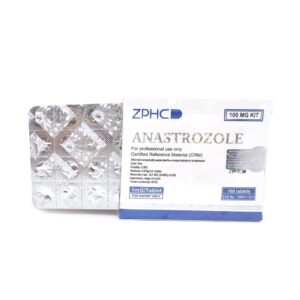
Anastrozole (Arimidex) 1mg – ZPHC USA Domestic
- Original price was: $145.00.$125.00Current price is: $125.00.
- Add to cart
-
- -30%
- Post Cycle Therapy (PCT)
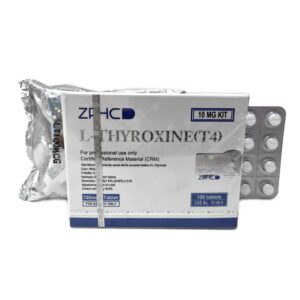
L-Thyroxine (T4) ZPHC — 0.1 mg × 100 tablets
- Original price was: $37.00.$26.00Current price is: $26.00.
- Add to cart
Reviews
There are no reviews yet.