How Do Sexual Health Clinics Work? A Step-by-Step Guide for Patients
Walking into a sexual health clinic for the first time can feel daunting. You might worry about judgment, privacy, awkward questions, or what the process entails. Many people feel anxious after unprotected sex, noticing unusual symptoms, or simply wanting peace of mind through regular screening. These feelings are completely normal. Taking charge of your sexual health is a responsible, proactive step that millions of people across the USA, Canada, Europe, and Australia take every year.
This comprehensive guide demystifies the entire process. It covers booking to results, what to expect, costs, confidentiality, and more. Whether you’re seeking STI testing, contraception advice, or general support, sexual health clinics (also known as GUM clinics in some regions) provide confidential, non-judgmental, and professional care.
What Is a Sexual Health Clinic?
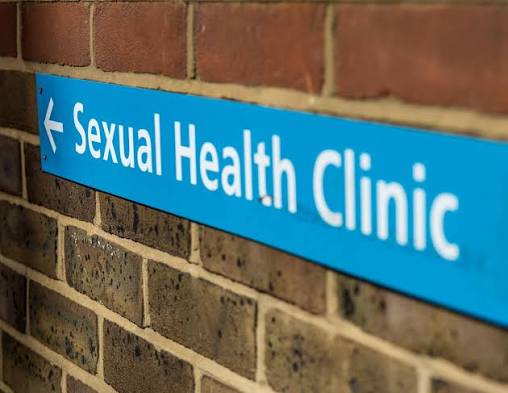
A sexual health clinic specializes in sexual and reproductive health. These facilities, often called STI clinics, STD clinics, or GUM (Genitourinary Medicine) clinics in the UK and similar systems, offer testing, treatment, prevention, and advice for a wide range of issues.
Core services typically include:
- STI testing and treatment for infections like chlamydia, gonorrhea, syphilis, HIV, herpes, HPV, and more.
- Contraception counseling and provision (pills, IUDs, implants, etc.).
- HIV prevention (PrEP/PEP), vaccination (e.g., HPV, hepatitis), and counseling.
- Advice on safer sex, relationships, and sexual well-being.
- Support for symptoms, partner notification, and post-exposure care.
These clinics prioritize privacy and accessibility. Staff are trained to create a welcoming, judgment-free environment. Services are available to people of all ages, genders, sexual orientations, and backgrounds. In many places, you can self-refer without seeing a primary care doctor first.
Section 1: Before Your Visit – Booking and Preparation
How to Book an Appointment
Access methods vary by location and clinic:
- Appointment-based: Many clinics recommend or require booking via phone, online portals, or apps. In the UK (NHS), you can find and book via the NHS website or local services. In the USA, sites like Planned Parenthood or local health departments offer online scheduling.
- Walk-in or Drop-in: Popular in urban areas (e.g., NYC Sexual Health Clinics or Australian public clinics), these allow same-day access, though wait times vary.
- Self-referral: No doctor’s referral is usually needed. This empowers direct access.
Tips for finding a clinic:
- USA: Use CDC’s GetTested tool, Planned Parenthood locator, or local health department sites.
- Canada/Europe/Australia: Search national health service directories (e.g., NHS in UK, Medicare-linked services in Australia).
Preparation Tips
- What to bring: Photo ID (optional in many places), insurance card (if applicable), list of symptoms or medications, and questions.
- Practical advice: Avoid urinating for 1-2 hours before if a urine sample is likely. Note your last sexual activity dates and any symptoms (discharge, sores, itching, pain).
- Mental prep: Remind yourself that staff have heard it all. Honesty helps them provide the best care.
Many clinics now offer home self-sampling kits for asymptomatic routine checks, adding convenience.
Section 2: Arrival and Registration Process
Upon arrival, expect a professional, discreet setting similar to a regular doctor’s office. Reception staff will guide you.
Registration:
- Provide basic details: name, contact info, date of birth. You can often use a pseudonym or clinic number for extra privacy.
- Fill out forms about reason for visit (confidential).
- Wait in a shared area or private zone, depending on the clinic.
First impressions: Clinics aim for calm, supportive atmospheres. Staff are friendly and trained in sensitive care.
Privacy at every step: Your visit remains confidential. In most systems, information isn’t shared with your GP, family, or others without explicit consent.
Section 3: The Consultation – Medical History and Questions
You’ll meet a doctor, nurse practitioner, or specialist in a private room. You can often request a male or female clinician.
What questions to expect (based on CDC sexual history guidelines and NHS practices):
- Reason for visit and symptoms.
- Sexual history: Recent partners, types of sex (vaginal, anal, oral), condom/barrier use, last sexual encounter.
- Medical history: Previous STIs, vaccinations, medications, allergies.
- Lifestyle factors: Substance use, travel, etc.
These questions help tailor testing and advice. Be as open as comfortable—staff focus on health, not judgment. You control the conversation and can decline topics.
The consultation builds trust and ensures appropriate care. It typically lasts 10-20 minutes.
Section 4: STI Testing and Examinations – What to Expect
Testing is straightforward, quick, and usually painless.
Common tests:
- Urine sample: For chlamydia and gonorrhea (first-catch urine preferred).
- Blood test: For HIV, syphilis, hepatitis. Quick finger prick or arm draw.
- Swabs: Self-taken or clinician-assisted from vagina, urethra, throat, rectum, or sores. Many clinics empower self-collection for comfort.
- Physical exam: Visual check for signs like warts, sores, or discharge if symptomatic or indicated. Discussed and consented to first.
Consent is key: Everything is explained. You decide on tests. No pressure.
For women, pelvic exams may occur if needed but are not routine for basic STI screens. Rapid tests (e.g., HIV) may give same-day results.
The process is efficient—often under an hour total.
Section 5: Receiving Results and Treatment
How results are delivered:
- Phone, text, secure online portal, or letter—your choice.
- Negative results: Often quick notification.
- Positive: Follow-up appointment or phone consult for treatment.
Waiting times:
- Rapid tests: Minutes to hours.
- Lab tests (e.g., chlamydia/gonorrhea): Days to 1-2 weeks.
- Some clinics offer express services for faster turnaround.
Treatment:
- Most bacterial STIs (chlamydia, gonorrhea, syphilis) are curable with antibiotics.
- Viral STIs (HIV, herpes) are manageable with medication.
- Partner notification support is available to prevent reinfection.
- Follow-up testing confirms cure where needed.
Clinics provide counseling, education on prevention, and resources for emotional support.
Section 6: Cost and Insurance
Costs vary significantly by country and clinic type.
UK & much of Europe (NHS and equivalents): Services are often free at the point of use, including testing and treatment. Funded publicly for broad access.
Australia: Public sexual health clinics are frequently free or low-cost, especially with Medicare. Bulk billing common; many sites free regardless of Medicare status.
USA & Canada: More variable.
- Public health clinics and Planned Parenthood often offer low or no-cost services on a sliding scale.
- Without insurance: An STI visit might cost $125–$155 plus $15–$70 per lab test. Comprehensive panels: $125–$400.
- Insurance: Many plans cover preventive STI screening fully under ACA guidelines. Check specifics.
- Options: Community clinics, FQHCs, or health departments for affordability.
Private clinics: Faster or more specialized but higher fees. Always confirm costs upfront. International visitors or uninsured individuals should explore free public options.
Pro tip: Call ahead or check websites for pricing, insurance acceptance, and financial assistance.
Section 7: Confidentiality and Privacy – The Gold Standard
Confidentiality is foundational. Laws and policies protect your information rigorously.
- What stays private: Your visit, test results, discussions. Not shared with parents (even for minors in most cases), partners, employers, or GPs without permission.
- Pseudonyms: Allowed in many clinics.
- Data security: Secure records, HIPAA in the US, equivalent protections elsewhere.
- Exceptions (rare and transparent): Legal requirements for certain reportable diseases to public health authorities (often de-identified), or safeguarding if there’s risk of serious harm (e.g., to a minor). Staff discuss this openly.
This framework reduces barriers and encourages testing. Clinics excel at balancing privacy with public health needs.
Additional Topics: Contraception, Prevention, and Special Considerations
Sexual health clinics go beyond testing. They offer comprehensive reproductive care, including emergency contraception, ongoing methods, and fertility awareness.
Prevention education covers condoms, dental dams, PrEP for HIV, regular screening schedules (e.g., annually or more frequently for higher-risk individuals per CDC guidelines), and vaccination.
Special populations receive tailored support: LGBTQ+ friendly services, youth clinics, services for sex workers, immigrants, etc. Many offer multilingual staff or interpreters.
Call to Action: Taking the Next Step with Privacy in Mind
Understanding how sexual health clinics work empowers you to seek care confidently. These services are accessible, effective, and designed with your dignity in mind.
For those prioritizing maximum privacy, convenience, and discretion—especially when managing certain health aspects from home—anabolicsteroidsonline.shop provides a modern, private alternative. Explore confidential options and discreet delivery for health-related products that fit your lifestyle. Visit our site today to learn more about discreet solutions tailored to your needs. [Link to homepage or relevant category]
Your sexual health is integral to overall well-being. Regular check-ups prevent complications, support healthy relationships, and bring peace of mind.
Conclusion
Sexual health clinics deliver straightforward, confidential, expert care. From easy booking and respectful consultations to accurate testing and effective treatment, the process is patient-centered and reliable.
Don’t let anxiety hold you back. Whether visiting a clinic or exploring private options, proactive steps protect you and your partners. Prioritize your health—it’s one of the best decisions you’ll make.
FAQs
Do I need to see my doctor first? No. Self-referral is standard.
Will my parents find out? No, services are confidential for minors in most jurisdictions, with safeguarding exceptions clearly communicated.
How much does it cost? Often free or low-cost in public systems (UK, Australia, parts of Europe, US public clinics). Private varies—check specifics.
What if I don’t have symptoms? Many STIs are asymptomatic. Routine screening is recommended, especially with new partners.
Can I choose a male or female doctor? Yes, in most clinics.
How do I get my results? Phone, text, portal, or letter—your preference.
Additional FAQs (expanded for depth):
- How long does a visit take? Typically 30-60 minutes.
- Are tests painful? Generally not—quick and minimal discomfort.
- What about partner treatment? Clinics assist with notification and expedited partner therapy where available.
- Can I go with a friend? Often yes for support.
- How frequently should I test? Depends on risk: annually, or every 3-6 months for higher activity (consult provider).
This guide equips you with knowledge to navigate sexual health services confidently. For personalized advice, contact a local clinic or trusted provider. Stay informed, stay safe, and take control of your health.