
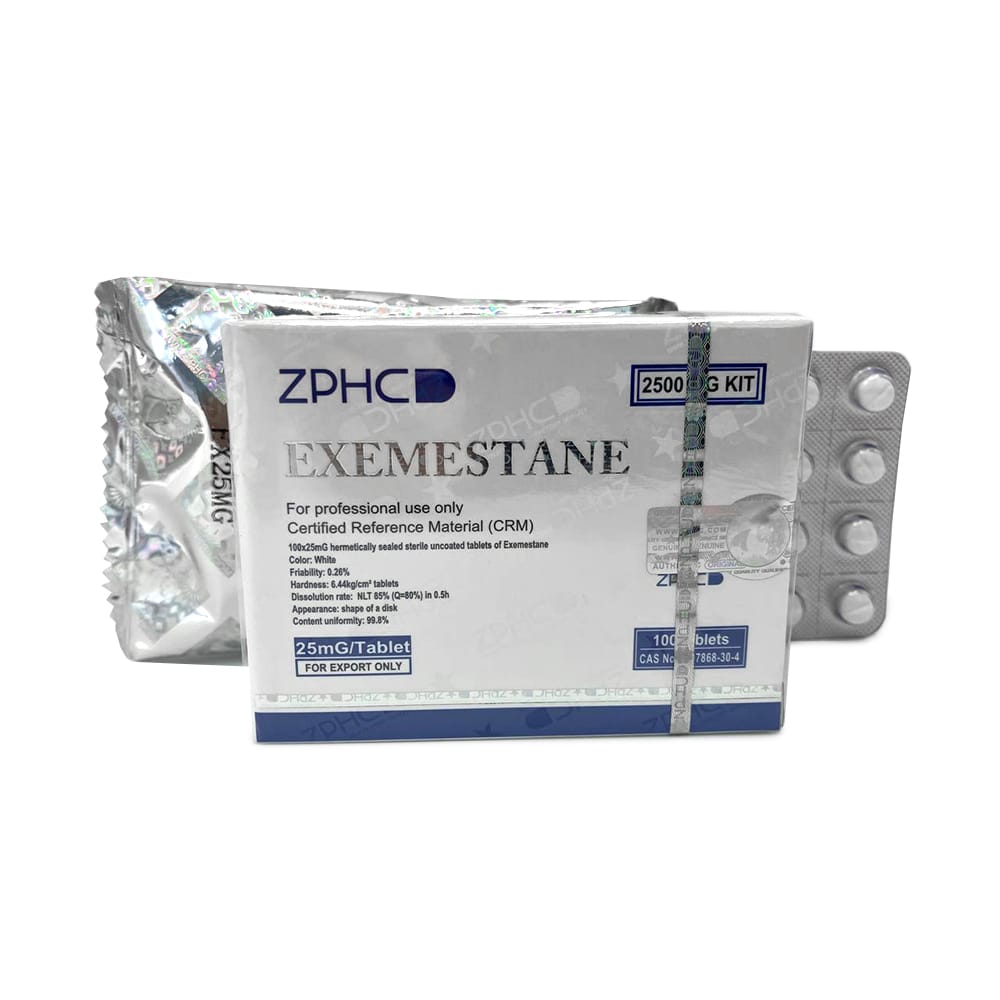
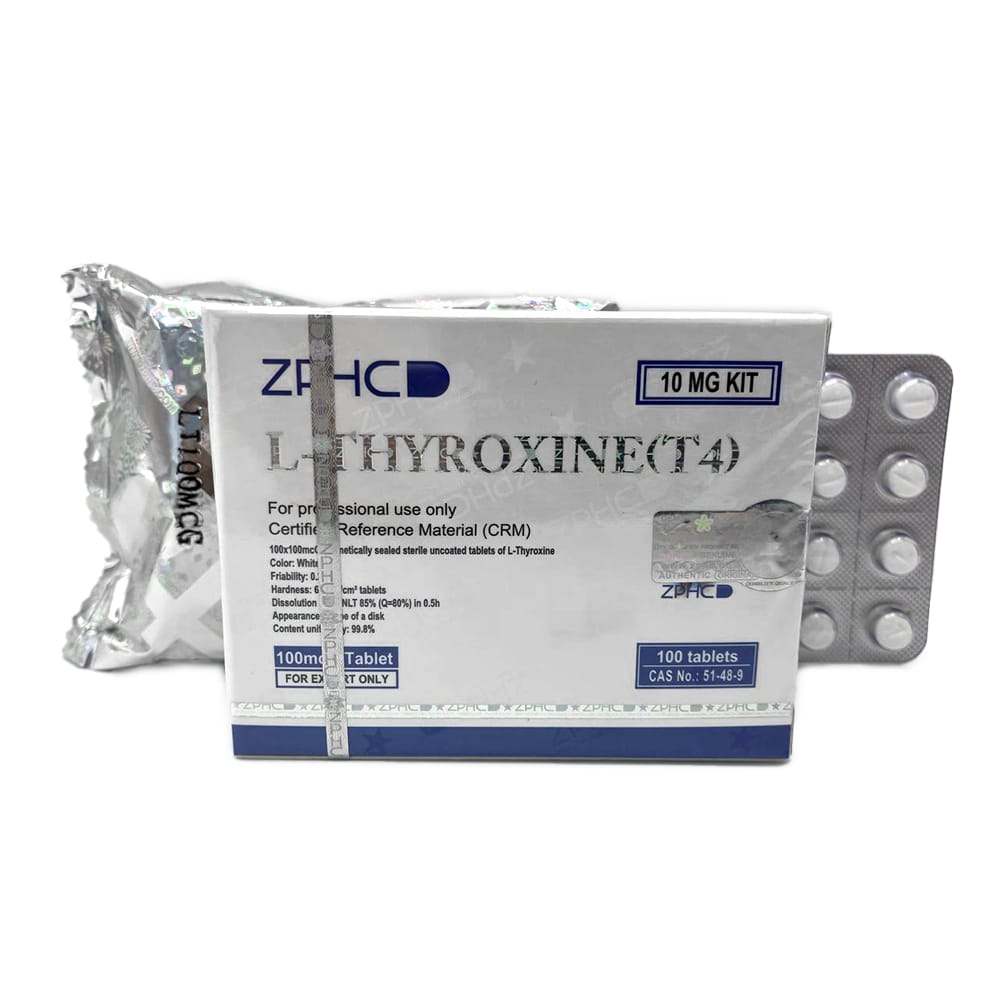
L-Thyroxine (T4) ZPHC — 0.1 mg × 100 tablets
Original price was: $37.00.$26.00Current price is: $26.00.
Description
L-Thyroxine (T4) ZPHC — 0.1 mg × 100 Tablets
Product Overview
L-Thyroxine (Levothyroxine sodium) ZPHC provides synthetic T4 hormone in a precise 0.1 mg (100 µg) dosage form. Each package contains 100 film-coated tablets, manufactured to stringent quality control standards with verified API purity of 99% or greater via HPLC testing. This product is produced using GMP tablet press technology and features tamper-evident packaging with scratch-code authenticity verification.
Synthetic levothyroxine is chemically identical to the T4 hormone produced endogenously by the human thyroid gland . As a prohormone, it converts to the active triiodothyronine (T3) form through deiodination in peripheral tissues, with approximately 80% of circulating T3 derived from this conversion process . Thyroid hormones regulate multiple metabolic processes including cellular respiration, thermogenesis, and metabolism of proteins, carbohydrates, and lipids .
Key Features
-
Synthetic L-Thyroxine (T4) hormone, 0.1 mg (100 µg) per tablet
-
100 film-coated tablets per package
-
HPLC-verified purity of 99% or greater
-
GMP-certified manufacturing standards
-
Tamper-evident cap with scratch-code authenticity system
-
Research-grade product for metabolic and thyroid function studies
Research Applications
This product is designed for laboratory research applications including:
-
Thyroid replacement and supplementation studies
-
Metabolic research examining basal metabolic rate (BMR) modulation
-
Investigations into thyroid hormone feedback mechanisms
-
Research on thermogenesis and energy expenditure
-
Studies examining T4 to T3 conversion pathways
Dosage Information for Research Protocols
Standard research dosing protocols typically initiate at 25–100 µg daily, with titration performed in 12.5–25 µg increments at 7-day intervals . Monitoring of resting pulse and body temperature is recommended during dose adjustment periods.
When used in combination protocols, this product is frequently studied alongside Clenbuterol or Yohimbine in cutting-phase research designs. Adequate caloric intake and electrolyte balance should be maintained in all study protocols.
Safety and Handling Information
-
Avoid abrupt discontinuation in long-term administration protocols
-
Monitor TSH and T4 levels in extended research applications
-
Store at room temperature, protected from moisture and light
-
Use only in approved research settings
-
Not for human consumption or clinical use
Frequently Asked Questions
1. What is L-Thyroxine (T4) and how does it work in research applications?
L-Thyroxine is a synthetic form of the endogenous thyroid hormone T4. In research settings, it serves as a prohormone that converts to the active T3 form through deiodination in peripheral tissues. T4 exerts its physiological effects through control of DNA transcription and protein synthesis, with thyroid hormones diffusing into cell nuclei and binding to thyroid receptor proteins . Approximately 80% of circulating T3 is derived from peripheral T4 conversion .
2. What is the recommended starting dosage for research protocols?
Standard research protocols typically initiate dosing at 25–100 µg daily. Titration should be performed in 12.5–25 µg increments every 7 days. Response should be monitored through measurement of resting pulse and body temperature .
3. How should dosages be adjusted during research studies?
Dose adjustments should be made gradually in 12.5–25 µg steps at weekly intervals. In clinical contexts, monitoring serum TSH levels after 6–8 weeks following any dosage change is standard practice . The narrow therapeutic index of levothyroxine requires careful titration and response monitoring .
4. What quality control measures are in place for this product?
This product undergoes HPLC testing to verify API purity of 99% or greater. Manufacturing follows GMP tablet press standards. Each package features tamper-evident packaging with a scratch-code authenticity verification system.
5. Can this product be used in combination with other research compounds?
Research protocols frequently combine this product with Clenbuterol or Yohimbine for cutting-phase investigations. Adequate caloric intake and electrolyte balance should be maintained in all combination protocols. Drug interactions may affect T4 absorption or metabolism, requiring careful protocol design .
6. What monitoring parameters should be observed in research applications?
Standard monitoring includes resting pulse and body temperature during dose titration. For extended studies, TSH and T4 levels should be tracked. In clinical contexts, levothyroxine has a narrow therapeutic index, and overtreatment may cause increased heart rate, cardiac wall thickness, and cardiac contractility .
7. What are the absorption characteristics of oral L-Thyroxine?
Absorption of orally administered T4 from the gastrointestinal tract ranges from 40% to 80%, with the majority absorbed from the jejunum and upper ileum. T4 absorption is increased by fasting and decreased in malabsorption syndromes. Dietary fiber decreases bioavailability of T4. Circulating thyroid hormones are greater than 99% bound to plasma proteins .
8. What is the metabolic fate of L-Thyroxine in research subjects?
The major pathway of thyroid hormone metabolism is through sequential deiodination. Approximately 80% of the daily dose of T4 is deiodinated to yield equal amounts of T3 and reverse T3. Thyroid hormones are also metabolized via conjugation with glucuronides and sulfates and excreted directly into the bile and gut where they undergo enterohepatic recirculation .
9. How is L-Thyroxine eliminated from the body?
Thyroid hormones are primarily eliminated by the kidneys. A portion of the conjugated hormone reaches the colon unchanged and is eliminated in the feces. Approximately 20% of T4 is eliminated in the stool. Urinary excretion of T4 decreases with age .
10. What precautions should be taken when discontinuing administration?
Abrupt discontinuation should be avoided in long-term administration protocols. Gradual dose reduction is recommended when terminating research protocols. The half-life of T4 is approximately 6–7 days in normal subjects, requiring careful management of any discontinuation schedule .
Related Research References
For further information on thyroid hormone research, consult the following resources:
-
FDA Prescribing Information for Levothyroxine Sodium Tablets
-
DailyMed Levothyroxine Sodium Monograph
-
Pfizer Medical Information on LEVOXYL Clinical Pharmacology
-
NIH PubMed Central Research Articles on Thyroid Hormone Metabolism
Secure your research supply today. Visit anabolicsteroidsonline.shop/ to place your order.
Related products
-
- -15%
- Post Cycle Therapy (PCT)
Mesterolone (Proviron) 25mg by ZPHC
- Original price was: $95.00.$81.00Current price is: $81.00.
- Add to cart
-
- -30%
- Post Cycle Therapy (PCT)
Buy Clomid 25mg Spectrum Pharma
- Original price was: $60.00.$42.00Current price is: $42.00.
- Add to cart
-
- -23%
- Post Cycle Therapy (PCT)
Anastrozole ZPHC — 1 mg (100 tablets × 1 mg)
- Original price was: $70.00.$54.00Current price is: $54.00.
- Add to cart
Reviews
There are no reviews yet.