
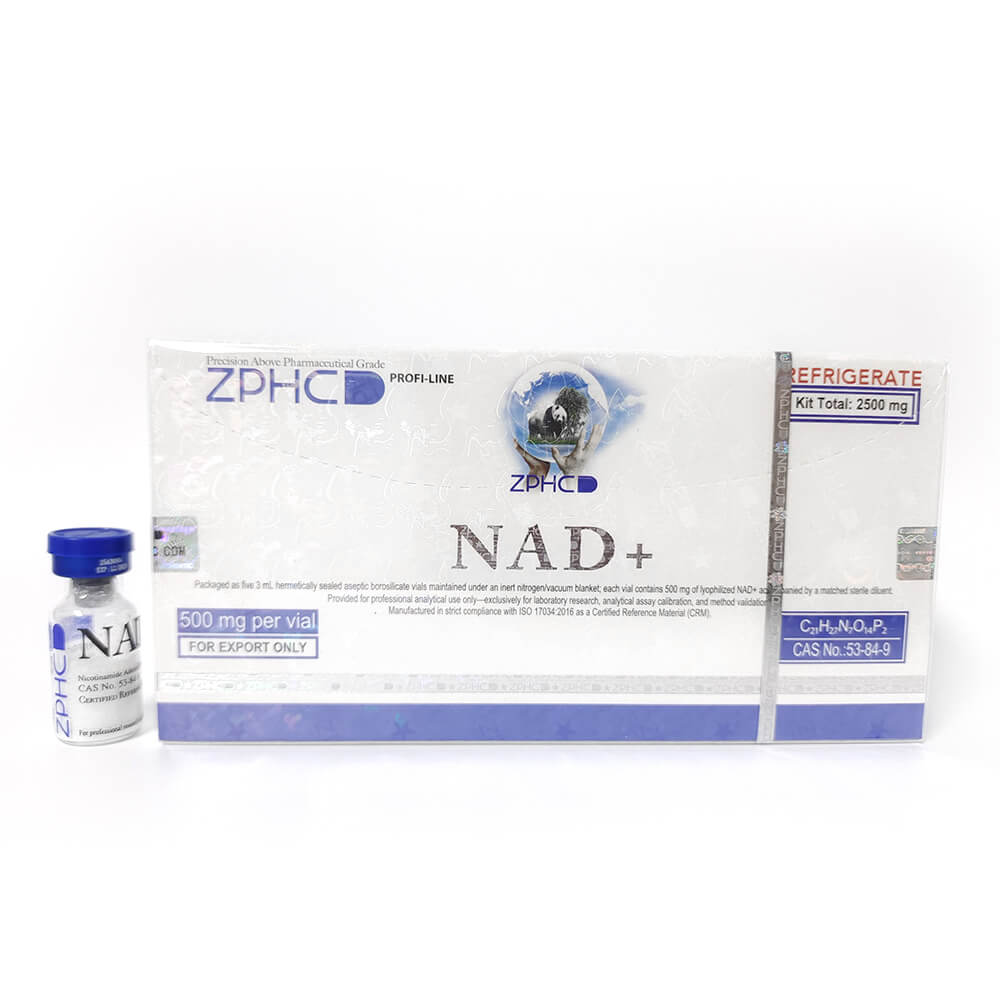
NAD+ ZPHC — 2500 mg KIT (5 vials × 500 mg)
Original price was: $145.00.$135.00Current price is: $135.00.
Description
NAD+ ZPHC — 2500 mg KIT (5 vials × 500 mg)
Product Overview
The NAD+ ZPHC 2500 mg Kit is a high-purity research compound designed for analytical and laboratory applications. This kit contains five lyophilised vials, each with 500 mg of Nicotinamide Adenine Dinucleotide (NAD+), for a total of 2500 mg, accompanied by a sterile diluent for reconstitution. Manufactured under strict GMP and ISO 17034:2016 guidelines, this product is intended for research use only and is not for therapeutic or human consumption.
NAD+ is a critical coenzyme found in all living cells, essential for fundamental biological processes. It serves as a central cofactor in redox reactions, supporting ATP production and mitochondrial efficiency, and is also a substrate for enzymes involved in cellular repair and regulation . The ZPHC Pro-Line ensures high-purity material for reliable research outcomes.
Key Features and Applications
The NAD+ ZPHC Kit is formulated to support a range of research applications, including:
-
Cellular Energy and Metabolism: NAD+ is indispensable for energy metabolism, acting as a key coenzyme in glycolysis and the mitochondrial electron transport chain to facilitate ATP synthesis . Researchers study its role in maintaining metabolic homeostasis and cellular energy balance.
-
Longevity and Sirtuin Research: NAD+ is a rate-limiting substrate for sirtuins (SIRT1-7), a family of proteins that regulate cellular health, stress resistance, and genomic stability. Research indicates that NAD+ availability influences sirtuin activity, which is a focal point in the study of healthy aging and longevity pathways .
-
DNA Repair Mechanisms: NAD+ is vital for the function of poly(ADP-ribose) polymerases (PARPs), enzymes that detect and repair DNA damage. By supporting PARP activity, NAD+ plays a role in maintaining genomic integrity and protecting against age-related cellular dysfunction .
Product Specifications and Quality Assurance
The ZPHC NAD+ Kit is produced to stringent quality standards, ensuring confidence in research results.
-
High Purity: The lyophilised powder boasts a purity of ≥98.9% verified by High-Performance Liquid Chromatography (HPLC).
-
Quality Manufacturing: Manufactured under Good Manufacturing Practices (GMP) and ISO 17034:2016 standards.
-
Verification System: Each vial features a ZPHC scratch-code for authenticity verification.
-
Presentation: 5 vials x 500 mg lyophilised powder, supplied with sterile diluent.
-
Reconstitution: Combine with the provided sterile diluent and swirl gently until fully dissolved.
-
Storage: Store the lyophilised powder and reconstituted solution at 2–8 °C.
Technical Specifications
| Specification | Detail |
|---|---|
| Molecule | NAD+ (Nicotinamide Adenine Dinucleotide) |
| CAS Number | 53-84-9 |
| Purity | ≥98.9% (HPLC) |
| Total Quantity | 2500 mg (5 vials x 500 mg) |
| Form | Lyophilised Powder + Sterile Diluent |
| Manufacturing Standards | GMP, ISO 17034:2016 |
| Intended Use | For research use only. Not for human or therapeutic use. |
| Shipping | Cold-chain packed, tamper-evident vials, discreet tracked delivery. |
Frequently Asked Questions (FAQs)
1. What is NAD+ and why is it significant for research?
NAD+ (Nicotinamide Adenine Dinucleotide) is a fundamental coenzyme that plays a dual role in cellular biology. It is essential for metabolic redox reactions that produce cellular energy (ATP) and acts as a substrate for enzymes like sirtuins and PARPs, which are critical for DNA repair, gene expression, and cellular stress responses .
2. How does NAD+ influence the aging process?
Research indicates that cellular NAD+ levels decline with age in various organisms, including humans. This decline is associated with reduced activity of NAD+-dependent enzymes like sirtuins, which are linked to metabolic disorders and age-related decline. Replenishing NAD+ is a key area of research for promoting healthy aging and extending healthspan .
3. What role does NAD+ play in cellular energy production?
NAD+ acts as a critical electron carrier in redox reactions. It accepts electrons during the breakdown of nutrients in pathways like glycolysis and the TCA cycle, becoming NADH. NADH then donates these electrons to the mitochondrial electron transport chain to drive ATP synthesis .
4. Are there risks or side effects associated with NAD+ supplementation?
Clinical research on NAD+ precursors suggests they are generally well-tolerated. However, potential side effects can include nausea, headache, or fatigue, particularly at higher doses. Due to its role in cellular metabolism, there is theoretical concern about its effects on cancer cells, though this requires further study. Consult a healthcare professional before use .
5. How is the purity and quality of the NAD+ ZPHC Kit ensured?
The NAD+ ZPHC kit is manufactured to meet high-quality standards with a purity of ≥98.9% verified by HPLC. It is produced in facilities adhering to GMP and ISO 17034:2016 guidelines, ensuring product consistency and quality .
6. Who should avoid using NAD+ supplements?
NAD+ supplements are generally not recommended for individuals with active cancer, pregnant or nursing women, and those with advanced liver disease without prior consultation with a doctor. The safety and efficacy in these populations have not been established .
7. How should I reconstitute and store the NAD+ powder?
Reconstitute the lyophilised powder by adding the provided sterile diluent and swirling gently until fully dissolved. Both the lyophilised and reconstituted product should be stored at 2–8 °C to maintain stability .
8. Is the NAD+ ZPHC product a supplement or a medication?
This NAD+ ZPHC product is strictly intended for research purposes and analytical reference. It is not a dietary supplement, medication, or drug and is not approved for human therapeutic use .
9. What are sirtuins and how are they related to NAD+?
Sirtuins (SIRT1-7) are a family of proteins that regulate cellular health, metabolism, and longevity. They are NAD+-dependent deacetylases, meaning they require NAD+ to function. As NAD+ levels decline, sirtuin activity decreases, which is associated with accelerated aging .
10. How is NAD+ typically administered in research settings?
In research and some clinical settings, NAD+ is often administered via subcutaneous or intravenous injections to ensure higher bioavailability compared to oral administration. The ZPHC NAD+ Kit is supplied as a lyophilised powder for reconstitution and is suitable for such research applications .
Call to Action
Advance your research with the high-purity NAD+ ZPHC 2500 mg Kit. This product is an essential tool for studies on energy metabolism, mitochondrial function, DNA repair, and the biology of aging.
Visit our site to order: https://anabolicsteroidsonline.shop/
Related products
-
- -10%
- Anti Aging
MOTS-c 20mg Kit ZPHC (Lyophilized Peptide + Bacteriostatic Water)
- Original price was: $105.00.$95.00Current price is: $95.00.
- Add to cart
-
- -17%
- Anti Aging
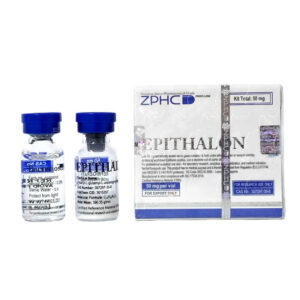
Epithalon 50mg ZPHC (Lyophilized Peptide + Bacteriostatic Water)
- Original price was: $150.00.$125.00Current price is: $125.00.
- Add to cart
-
- -15%
- Anti Aging
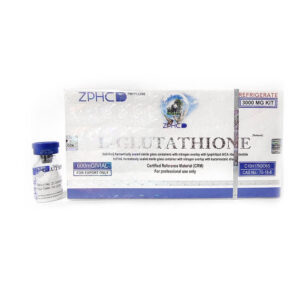
L-Glutathione ZPHC – 3000 mg Kit (5×600 mg Vials + Diluent)
- Original price was: $65.00.$55.00Current price is: $55.00.
- Add to cart
Reviews
There are no reviews yet.