The fitness and body reconstruction landscape across the United States and Canada has shifted dramatically. For decades, individuals looking to accelerate muscle growth or fast-track fat loss felt trapped between standard over-the-counter supplements and traditional anabolic steroids.
Today, a third category dominates online forums, locker room discussions, and research feeds: SAhttps://anabolicsteroidsonline.shop/product-category/sarms-peptide-products/RMs.
Navigating the market for these compounds is notoriously tricky. Because they occupy a complex regulatory gray area, the internet is flooded with low-grade vendors, counterfeit compounds, and downright dangerous mislabeling. If you are researching these compounds, knowing how they operate and how to vet what you are putting into your body is vital.
This comprehensive guide breaks down the science, the regulations across the US and Canada, and the exact checklist required to identify authentic, third-party tested research compounds online.
Table of Contents
- What Are SARMs?
- How Do SARMs Work?
- The Reality of Buying SARMs Online
- How to Buy SARMs Online Safely: The Vendor Checklist
- Legal Status in the USA and Canada
- Popular SARMs and Research Compounds Defined
- Frequently Asked Questions (FAQs)
- Medical References & Regulatory Resources
1. What Are SARMs?
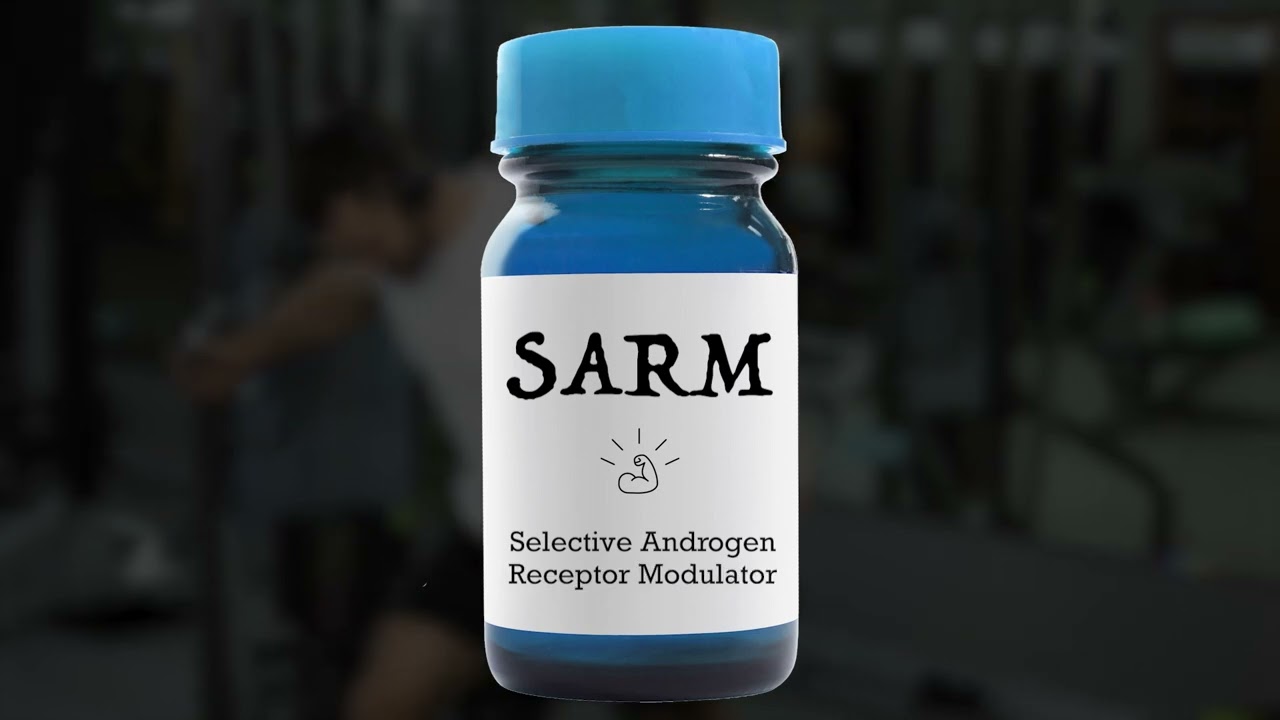
SARMs stands for Selective Androgen Receptor Modulators. They are a class of therapeutic compounds structurally distinct from anabolic steroids.
Originally discovered in the late 1940s via modifications to the testosterone molecule, modern non-steroidal SARMs were developed in the late 1990s by researchers aiming to treat debilitating conditions like muscle-wasting diseases (sarcopenia), osteoporosis, and certain types of breast cancer.
[Anabolic Steroids]  --> Bind non-selectively to Androgen Receptors everywhere
                               (Muscle, Bone, Prostate, Liver, Hair Follicles)

[Modern SARMs]       --> Bind selectively to Androgen Receptors
                               (Prioritizing Muscle and Bone tissue)
The core appeal of SARMs lies in their engineered selectivity. Traditional anabolic steroids attach to androgen receptors throughout the entire body, causing systemic effects. This non-selective binding is what triggers notorious side effects like severe liver stress, cardiovascular issues, prostate enlargement, and accelerated hair loss.
SARMs were designed to bypass these systemic complications by targeting specific tissues while leaving other vital organs largely unaffected.
2. How Do SARMs Work?
To understand how SARMs function, it helps to think of the androgen receptors in your body as a vast array of specialized locks. Hormones like testosterone act as master keys that open every single one of these locks simultaneously.
When testosterone or synthetic anabolic steroids enter your system, they unlock cellular activity across your skeletal muscle, your prostate gland, your skin cells, and your liver.
SARMs act as highly specialized, smart keys. They are chemically engineered to fit perfectly into the locks found within skeletal muscle and bone tissue, while ignoring or only weakly binding to the locks in other parts of the body.
The Cellular Impact
Once a SARM binds to an androgen receptor in a muscle cell, it triggers a cascade of intracellular signals:
- Gene Transcription: It signals the cell’s nucleus to increase the transcription of specific genes responsible for protein synthesis.
- Anabolic Activation: This localized signal flags your body to rapidly repair, rebuild, and expand muscle fibers, effectively mimicking the anabolic properties of heavy test-based compounds.
- Osteo-protection: In bone tissue, this activation increases bone mineral density by stimulating osteoblasts (cells that build bone), which is why they remain heavily researched for osteoporosis treatment.
Because they are not structurally structured like traditional steroids, they do not readily convert into dihydrotestosterone (DHT) or estrogen via the aromatase enzyme. This prevents classic estrogenic issues like water retention or gynecomastia, making them heavily sought after for lean mass accumulation and targeted fat loss protocols.
3. The Reality of Buying SARMs Online
If you type “where to buy SARMs online safely” into any search engine, you will be met with hundreds of sleek digital storefronts claiming to sell 99% pure pharmaceutical compounds. However, independent chemical analyses reveal a starkly different, highly concerning reality.
A landmark study published in the Journal of the American Medical Association (JAMA) analyzed 44 products sold online as SARMs. The chemical testing revealed that:
- Only 52% actually contained the SARM listed on the label.
- 39% contained unapproved, completely different experimental drugs or banned substances.
- 9% contained absolutely no active compound whatsoever.
- 25% contained substances completely unlisted on the product label.
Many rogue manufacturers cut corners by substituting raw SARM powders with cheap, oral anabolic steroids (like Dianabol or Proviron) or toxic prohormones. For an unsuspecting buyer, this means taking a compound that introduces extreme liver toxicity and profound natural hormone suppression under the guise of a “safe, selective” alternative.
This chaotic landscape is why knowing how to audit a vendor’s supply chain is non-negotiable.
4. How to Buy SARMs Online Safely: The Vendor Checklist
If you choose to acquire these compounds for laboratory evaluation or personal research, you cannot rely on slick marketing, professional-looking packaging, or glowing reviews on a vendor’s own website. You must act like an auditor.
Use this non-negotiable vendor checklist to separate legitimate research laboratories from dangerous underground operations:
1. Independent, Third-Party Certificates of Analysis (CoA)
A legitimate vendor must provide up-to-date, independent lab reports for every single batch of product they sell.
- The Trap: Avoid sites that post a single, blurry CoA from three years ago or self-generate reports using their own company logo.
- The Standard: Look for verifiable reports from established, independent testing facilities (such as MZ Biolabs, Janoshik, or Colmaric Analyticals). The report should clearly show a purity level of 98% or higher via High-Performance Liquid Chromatography (HPLC) or Mass Spectrometry (MS) testing.
- Verification: Cross-check the report by matching the lot or batch number on your product bottle with the report online, or contact the testing lab directly to verify the document’s authenticity.
2. “Research Chemical” and “Not for Human Consumption” Labeling
This may sound counterintuitive, but compliant, high-tier vendors will explicitly label their liquid and powder SARMs as “Research Chemicals” or “For Laboratory Research Use Only.”
Any online store selling SARMs encapsulated in colorful bottles with phrases like “Take 2 capsules daily for massive muscle gains!” is operating completely outside regulatory frameworks. These companies are prime targets for immediate law enforcement seizures and are highly likely to be cutting their products with illicit ingredients to guarantee fast, noticeable results.
3. Clear Pricing Transparency vs. “Too Good to Be True” Discounts
The synthesis of pure, pharmaceutical-grade SARMs is an expensive chemical process. If an online outlet is running permanent “Buy One, Get Two Free” sales or selling 30ml bottles of high-concentration RAD-140 for $20, they are cutting corners. True, raw materials independently tested for purity command a premium price.
4. Secure, Compliant Payment Architecture
Pay close attention to how a website processes transactions. Shady, fly-by-night operations frequently rely on unsecured payment portals, direct peer-to-peer apps with no buyer protection, or untraceable gift card schemes.
While many legitimate research vendors heavily utilize cryptocurrency for structural security, they will also offer secure, encrypted processing options and transparent tracking protocols.
5. Legal Status in the USA and Canada
The regulatory status of SARMs is dynamic and tightly enforced across North America. Understanding the precise legal boundaries within your home country is critical before initiating any online order.
| Attribute | United States Regulation | Canadian Regulation |
| Classification | Unapproved Drugs / Research Chemicals | Controlled Substances (Schedule IV) / Prescription Only |
| Legality of Purchase | Legal exclusively as unapproved chemicals for laboratory research. | Illegal to sell, import, or market as consumer healthcare products. |
| FDA / Health Canada Stance | Strong public warnings regarding organ damage and cardiovascular risk. | Explicit warning advisories; structural enforcement against retail distribution. |
| Athletic Competition Status | Strictly banned by USADA across all competitive levels. | Strictly banned by CCES; automatically triggers doping violations. |
The United States Landscape
In the USA, SARMs are legal to purchase and possess solely as research chemicals intended for laboratory evaluations. However, the U.S. Food and Drug Administration (FDA) maintains that SARMs are not legal dietary ingredients.
Selling them encapsulated as dietary supplements, adding them to food products, or marketing them for human consumption is an explicit violation of federal law. Furthermore, the federal SARMs Control Act continues to streamline the process for the Drug Enforcement Administration (DEA) to classify these compounds as controlled substances if consumer safety violations persist.
The Canadian Landscape
Health Canada takes a significantly more restrictive approach. They classify SARMs similarly to anabolic steroids.
It is completely illegal to sell, import, or market SARMs as consumer health products or supplements within Canada. Customs borders are incredibly strict; shipments of unverified liquids or pills entering the country are regularly seized by the Canada Border Services Agency (CBSA) unless backed by valid corporate research import documentation.
Athletic and Anti-Doping Regulations
If you compete in any organized sport subject to the World Anti-Doping Agency (WADA) framework—including events overseen by the US Anti-Doping Agency (USADA) or the Canadian Centre for Ethics in Sport (CCES)—SARMs are classified as Category S1.2 Anabolic Agents.
They are universally banned both in-competition and out-of-competition. Testing technologies have evolved to detect SARM metabolites in urine samples for weeks or months post-ingestion, meaning utilizing these compounds will result in an automatic athletic ban.
6. Popular SARMs and Research Compounds Defined
When evaluating online research vendor inventories, you will encounter several distinct chemical designations. It is critical to recognize that while they are frequently lumped together under the “SARM” umbrella, several popular compounds operate via entirely different metabolic pathways.
- Ostarine (MK-2866): The most thoroughly researched SARM. It is considered a mild, highly selective compound primarily evaluated in medical trials to prevent cachexia (severe muscle wasting) in cancer patients.
- Testolone (RAD-140): Known for having an exceptionally high anabolic-to-androgenic ratio. It binds intensely to receptors in skeletal muscle, making it a subject of research for profound strength improvements, though it carries a much higher risk of natural testosterone suppression.
- Ligandrol (LGD-4033): Developed originally to treat muscle wasting and osteoporosis, this compound is heavily documented for its ability to increase lean muscle mass in short experimental windows.
Non-SARM Compounds Frequently Mislabeled Online
- Ibutamoren (MK-677): Often marketed as a SARM, MK-677 is actually an oral Growth Hormone Secretagogue. It mimics the hunger hormone ghrelin and binds to growth hormone receptors, stimulating secretion of IGF-1 (Insulin-like Growth Factor 1) without impacting natural androgen levels.
- Cardarine (GW-501516): Cardarine is a PPAR-Delta Receptor Agonist, not a SARM. It was developed to shift the body’s primary energy source from carbohydrates to fatty acids, radically increasing muscular endurance and cardiovascular output. However, human development was permanently halted after high-dosage rodent studies demonstrated rapid cancer development in vital organs.
7. Frequently Asked Questions (FAQs)
Are SARMs safe to use for weight loss?
While some SARMs like Ostarine are researched for maintaining muscle tissue while in a severe caloric deficit, they are not approved weight-loss medications. Their structural impact is anabolic, not thermogenic. If you are seeking sustainable, medically supervised methods for body fat management, explore clinically backed protocols by checking out the comprehensive resources at Clinically Proven Weight Loss.
Do SARMs completely shut down natural testosterone production?
Yes, they can. A common online myth claims that because SARMs are selective, they do not suppress your natural hormones. In reality, any compound that introduces exogenous anabolic activity to your androgen receptors signals your brain to reduce its internal hormone production. While milder than traditional steroids, heavy compounds like RAD-140 can suppress natural testosterone levels by over 60-70%, requiring a dedicated Post Cycle Therapy (PCT) to restore hormonal baseline.
How can I verify if an online vendor’s lab reports are real?
An authentic Certificate of Analysis (CoA) will always list the name and contact details of the independent testing laboratory. To verify a report, copy the batch or lot number from the document, locate the testing facility’s official contact portal, and send an inquiry asking them to verify that the specific batch code matches their internal testing records.
Will SARMs show up on a standard workplace drug test?
No. Standard 5-panel, 10-panel, or 12-panel workplace drug screenings look for narcotics, amphetamines, THC, and benzodiazepines. They do not screen for SARMs or performance-enhancing drugs. However, they will immediately show up on specialized athletic panels, military-grade screenings, or WADA-compliant drug tests.
What are the main physical side effects of unverified SARMs?
Because over 50% of online products are mislabeled or cut with oral steroids, users regularly experience severe, unexpected side effects. These include elevated liver enzymes (indicating liver strain), negative shifts in cholesterol profiles (lowered HDL, spiked LDL), acne, accelerated male pattern baldness, increased blood pressure, and profound lethargy caused by acute testosterone suppression.
Take Control of Your Health Journey Legally and Safely
Navigating the complex world of body recomposition doesn’t require risking your liver health or legal standing with unregulated online research chemicals. If your goal is true, sustainable fat loss backed by medical science, prioritize solutions that are proven, transparent, and completely compliant with US and Canadian health frameworks.
Visit Clinically Proven Weight Loss today to discover evidence-based strategies, medical weight-management insights, and expert guides designed to help you transform your physique safely and effectively.
8. Medical References & Regulatory Resources
- JAMA Network Chemical Study: Chemical Composition and Labeling Accuracy of SARMs Sold Online (2017)
- U.S. Food and Drug Administration (FDA): Public Warning Advisory on Selective Androgen Receptor Modulators
- Health Canada Regulatory Portal: Enforcement and Recalls Regarding Unauthorized Fitness Products Containing SARMs
- World Anti-Doping Agency (WADA): The Official Prohibited Substances and Methods List
- National Institutes of Health (NIH) PubMed: Clinical Evaluation and Tissue Selectivity of Nonsteroidal Androgen Receptor Ligands