
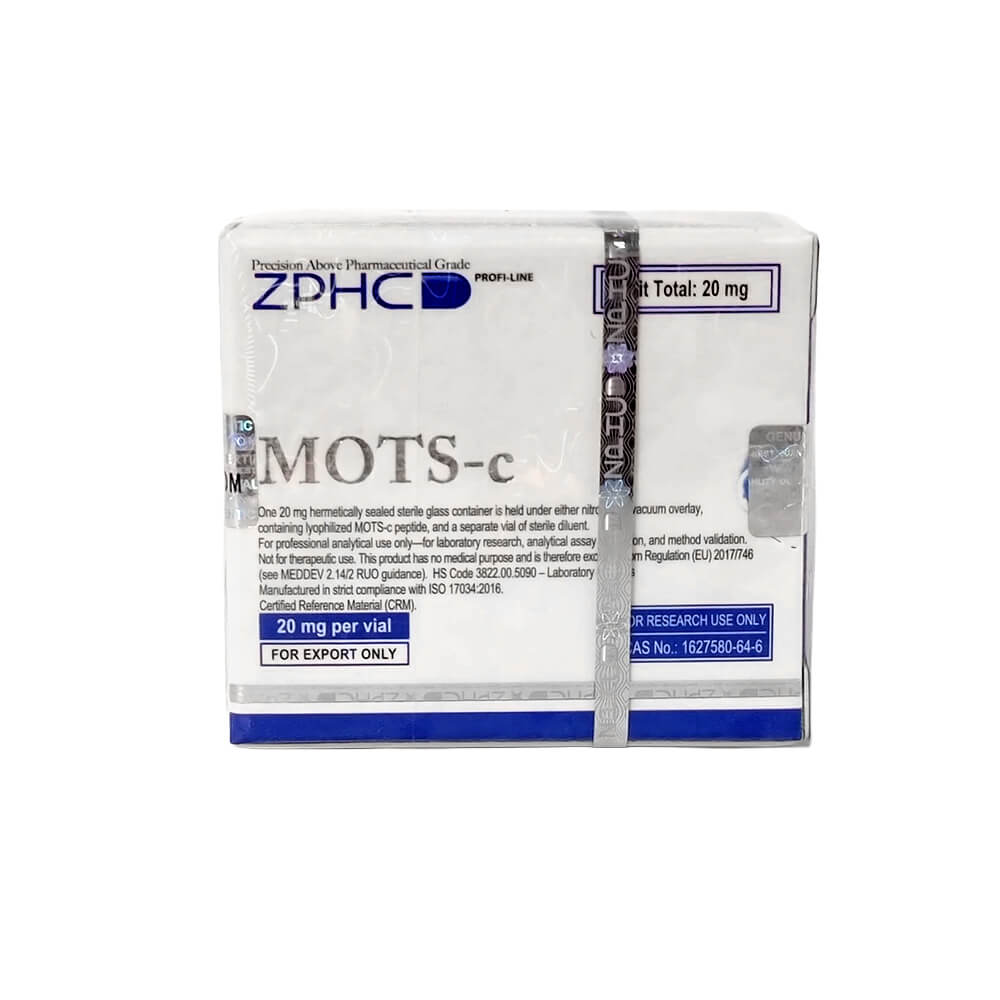
MOTS-c 20mg Kit ZPHC (Lyophilized Peptide + Bacteriostatic Water)
Original price was: $105.00.$95.00Current price is: $95.00.
Description
Product Description
MOTS-c 20mg Kit ZPHC (Lyophilized Peptide + Bacteriostatic Water)
This comprehensive research kit provides a complete solution for mitochondrial and metabolic studies, featuring the MOTS-c 20mg peptide in a lyophilized state, accompanied by sterile bacteriostatic water for reconstitution.
Product Overview
This kit includes one 20mg vial of high-purity, synthetic laboratory-grade MOTS-c peptide (mitochondrial open reading frame of the 12S rRNA) and one vial of bacteriostatic water. MOTS-c is a mitochondrial-derived peptide that has garnered significant attention within the scientific community for its potential role in cellular energy regulation and metabolic homeostasis [citation:1].
Key Research Applications
Designed for advanced research environments, the MOTS-c peptide is utilized in several critical areas of study:
-
Metabolic Regulation: Investigating the peptide’s influence on glucose metabolism and insulin sensitivity.
-
Mitochondrial Function: Analyzing mitochondrial dynamics, biogenesis, and cellular energy pathway analysis.
-
Cellular Stress Response: Exploring the mechanisms of cellular adaptation to metabolic stress and aging models [citation:2].
Product Specifications & Handling
-
Contents: 1 vial of 20mg lyophilized MOTS-c powder; 1 vial of bacteriostatic water.
-
Quality Control: The product is hermetically sealed in a sterile glass vial, batch-verified, and subject to rigorous authenticity controls to ensure the integrity of your research.
-
Reconstitution: The supplied bacteriostatic water should be added under sterile conditions. Gently swirl the vial until the peptide is fully dissolved.
-
Storage: Lyophilized powder should be stored in a cool, dry place. Once reconstituted, the solution must be refrigerated at 2–8 °C and should not be frozen.
-
Purity: Laboratory-grade peptide synthesized to strict standards.
Important Notice
This product is intended for research use only. It is not intended for diagnostic, therapeutic, or human consumption applications.
Order Now
Secure this research-grade peptide kit for your laboratory studies.
Call to Action: Visit https://anabolicsteroidsonline.shop/ to place your order or to review the full product specifications.
Top 10 FAQs for MOTS-c Peptide
1. What is MOTS-c and what is its primary function in research?
MOTS-c is a mitochondrial-derived peptide encoded within the mitochondrial genome. In research models, it is primarily studied for its role in metabolic regulation, specifically its influence on glucose uptake, insulin sensitivity, and cellular energy homeostasis [citation:1].
2. What is the recommended dosage of MOTS-c for research protocols?
Research protocols vary significantly depending on the study model. In many rodent studies, dosages typically range from 0.5 to 5 mg per kg of body weight per injection. Researchers must determine the optimal dosage based on their specific experimental design and objectives [citation:3].
3. How is the MOTS-c peptide properly reconstituted?
The MOTS-c peptide should be reconstituted using the provided bacteriostatic water. The water is injected into the lyophilized powder vial, and the mixture is gently swirled—not shaken—until the peptide is fully dissolved to ensure the structural integrity of the peptide.
4. What is the best way to store MOTS-c after reconstitution?
After reconstitution, the solution should be stored under refrigeration at a temperature between 2–8 °C. It is crucial to avoid freezing the reconstituted peptide, as this can degrade the peptide structure.
5. What is the shelf life of the lyophilized MOTS-c powder?
When stored in a cool, dry place away from direct light, the lyophilized powder remains stable for an extended period. The specific expiration date is typically printed on the vial label, and researchers are advised to use the product before this date for optimal results.
6. Is the MOTS-c peptide stable in solution?
The stability of the peptide in solution is dependent on the storage conditions. When stored at 2–8 °C and protected from light, the reconstituted peptide remains stable for a limited time. It is generally recommended to use the solution within a few weeks to maintain maximum potency.
7. Are there any known adverse effects of MOTS-c in research models?
In the context of laboratory research, side effects are generally mild. Some studies have reported local injection site reactions. The specific effects depend on the dosage and the biological model being used.
8. What quality control measures are applied to this product?
Each batch of MOTS-c is batch-verified and undergoes authenticity controls. The peptide is manufactured under sterile conditions and is sealed in a hermetic glass vial to maintain purity and prevent contamination.
9. Can MOTS-c be combined with other peptides in a study?
Combining MOTS-c with other peptides is a common practice in complex research protocols. However, the interaction and stability of the combination depend on the specific peptides used and should be validated by the researcher prior to the experiment.
10. What is the difference between MOTS-c and mitochondrial peptides?
MOTS-c is a specific type of mitochondrial-derived peptide. While there are several peptides encoded by the mitochondrial DNA (such as Humanin), MOTS-c is unique in that it is regulated by AMPK (AMP-activated protein kinase) and primarily targets metabolic and systemic cellular pathways, differentiating it from other mitochondrial peptides.
Related products
-
- -15%
- Anti Aging
GHK-Cu ZPHC — 50 mg KIT (5 vials × 10 mg)
- Original price was: $65.00.$55.00Current price is: $55.00.
- Add to cart
-
- -17%
- Anti Aging
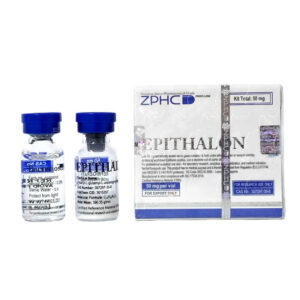
Epithalon 50mg ZPHC (Lyophilized Peptide + Bacteriostatic Water)
- Original price was: $150.00.$125.00Current price is: $125.00.
- Add to cart
-
- -7%
- Anti Aging
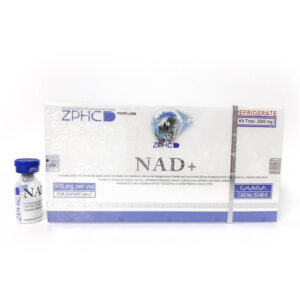
NAD+ ZPHC — 2500 mg KIT (5 vials × 500 mg)
- Original price was: $145.00.$135.00Current price is: $135.00.
- Add to cart
Reviews
There are no reviews yet.