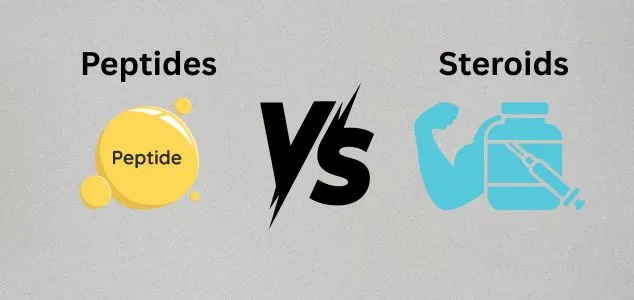
Anabolic Steroids vs Peptides: The Ultimate Guide to Muscle Growth, Recovery, and Legal Safety
SEO Title Tag: Anabolic Steroids vs Peptides: Which Is Best for Muscle & Safety?
Meta Description: Compare anabolic steroids vs peptides for muscle growth, recovery, and fat loss. Discover the critical differences in biological mechanisms, side effects, long-term safety, and federal legal landscapes in the USA.
Table of Contents
- Introduction: The Evolution of Physical Optimization
- The Biological Mechanics: How They Work
- Head-to-Head Comparison Profiles by Athletic Goal
- Summary Comparison Matrix
- Side Effect Profiles & Scientific Harm Reduction
- The United States Legal & Regulatory Landscape
- Sourcing Safely in the USA: Verification and Quality Protocols
- Frequently Asked Questions (FAQ)
- Scientific References & Verified Resources
1. Introduction: The Evolution of Physical Optimization
The pursuit of human peak performance, structural reconfiguration, and accelerated healing has long pushed athletes, bodybuilders, and modern biohackers past conventional limits. For generations, the undisputed foundation of aggressive physical enhancement was centered exclusively on traditional anabolic-androgenic steroids (AAS). These structural alterations of the testosterone molecule yielded unprecedented muscular additions, but frequently imposed severe systemic compromises upon the biological framework.
However, modern endocrinology and molecular science have ushered in an entirely new epoch of human optimization. We are currently witnessing an analytical paradigm shift from brute force hormonal saturation toward precise, targeted cellular signaling—a transition that sits at the center of the ongoing debate surrounding anabolic steroids vs peptides. As individuals strive to optimize their physiques while preserving long-term physiological homeostasis, understanding the core divisions between these two chemical classes has evolved into a mandatory prerequisite before initiating any procurement cycle.
This guide serves as a clinical, balanced, and deeply authoritative blueprint designed to unravel the operational mechanics, structural capabilities, risk liabilities, and legal parameters governing both compound families within the United States. Whether your immediate goal is massive myofibrillar hypertrophy, rapid ligamentous remediation, or aggressive visceral fat reduction, this analysis provides the essential facts required to protect your health while executing an informed purchasing approach.
2. The Biological Mechanics: How They Work
To evaluate the efficacy and long-term implications of these agents, one must first explore the foundational pathways they activate at the microscopic level. The core difference between anabolic steroids vs peptides is defined by their basic chemical structure and how they interface with human cellular biology.
Anabolic Steroids and the Androgen Receptor Matrix
Anabolic-androgenic steroids represent synthetic modifications of endogenous testosterone or its primary metabolites, such as dihydrotestosterone (DHT) and nandrolone. Because of their lipid-soluble, lipophilic nature, these steroid molecules diffuse directly through the phospholipid bilayer of target cells without requiring active transport or membrane-bound intermediate gates.
Once inside the intracellular environment, the steroid ligand binds directly to the cytosolic androgen receptor (AR). This binding induces a conformational change, triggering the dissociation of heat shock proteins and initiating receptor dimerization. The newly formed ligand-receptor homodimer translocates into the nucleus, where it binds directly to specific genomic sequences known as Androgen Response Elements (AREs).
This genomic interaction acts as an immediate transcription accelerant, drastically increasing messenger RNA (mRNA) production for structural proteins. The resulting biological cascade forces an extreme up-regulation of cellular protein synthesis, an increase in nitrogen retention within skeletal muscle tissue, and the inhibition of catabolic glucocorticoid pathways. This process shifts the human body into a continuous, non-homeostatic anabolic state. However, because androgen receptors are located throughout almost every major organ system—including the heart, brain, liver, and sebaceous glands—this direct genomic binding causes systemic structural modifications across the entire body, both therapeutic and adverse.
Peptides as Targeted Cellular Signaling Molecules
In stark contrast to the systemic genomic interventions of steroids, peptides are highly specialized, short-chain polymers comprising fewer than fifty amino acids linked by covalent peptide bonds. Rather than entering the intracellular space to modify genetic transcription directly, peptides function strictly as precise endocrine, paracrine, or autocrine signaling units. They bind exclusively to specific, membrane-bound receptors on the outer surface of target cells, utilizing established secondary messenger systems to elicit highly specific physiological outcomes.
Consider growth hormone secretagogues (GHSs), a prominent subclass of research peptides for sale. Compounds such as Ipamorelin or CJC-1295 operate by mimicking endogenous ligands like ghrelin or Growth Hormone-Releasing Hormone (GHRH). Upon administration, these molecules target and bind to the Growth Hormone Secretagogue Receptors (GHSR) or GHRH-receptors located on somatotroph cells within the anterior pituitary gland.
This binding mechanism initiates an intracellular signaling cascade mediated by adenylate cyclase and intracellular calcium release, prompting the pituitary gland to naturally pulse its own stored human growth hormone (hGH) into the bloodstream in a pulsatile manner. Because this process respects natural biological feedback loops, the body maintains regulatory control over maximum production thresholds, minimizing systemic disruption while achieving targeted optimization of tissue repair, lipolysis, and cellular rejuvenation.
3. Head-to-Head Comparison Profiles by Athletic Goal
Choosing between these two enhancement frameworks depends heavily on an individual’s specific physical objectives, risk tolerance, and compliance standards. Below is a comparative look at how anabolic steroids and peptides perform across the three primary pillars of physical optimization.
Muscle Hypertrophy & Absolute Strength
When the primary objective is rapid muscle building and massive strength increases, traditional anabolic steroids remain highly potent tools. Compounds such as Testosterone Enanthate, Methandrostenolone (Dianabol), and Trenbolone Acetate deliver significant results by drastically elevating circulating androgen levels far beyond normal physiological limits. This intense receptor saturation enables users to accumulate substantial lean tissue mass within brief 8 to 12-week cycles. This hyper-anabolic environment is amplified by significant cross-sectional muscle fiber expansion and enhanced muscular endurance via elevated red blood cell production.
Peptides approach muscle hypertrophy through alternative, indirect pathways. Rather than forcing direct androgenic stimulation, combinations like CJC-1295 (without DAC) stacked with Ipamorelin or Hexarelin maximize natural growth hormone pulses. This elevation triggers downstream hepatic synthesis of Insulin-like Growth Factor 1 (IGF-1). Advanced protocols may also incorporate targeted growth factors like Mechano-Growth Factor (MGF) or PEG-MGF to directly stimulate satellite cell proliferation and facilitate hyperplasia—the creation of new muscle cells rather than the mere swelling of existing ones.
While peptides present a compelling choice for long-term sustainable gains, they cannot match the rapid, massive muscle accumulation associated with AAS cycles. For individuals seeking legal peptides for bodybuilding, these signaling molecules provide slow, clean, and highly sustainable lean mass improvements completely free from androgenic side effects like virilization, hair loss, or prostate enlargement.
Injury Repair, Connective Tissue, and Recovery
This category highlights a distinct divergence where peptides frequently outperform traditional anabolic steroids. Historically, bodybuilders utilized specific compounds like Nandrolone Decanoate (Deca-Durabolin) or Oxandrolone (Anavar) to handle joint discomfort, driven by their ability to increase collagen synthesis rates or promote fluid retention within joint capsules. However, these steroids merely mask structural injuries under heavy loading conditions while simultaneously suppressing natural hormone production and hardening surrounding tendinous matrices, which can potentially increase long-term rupture risks.
Conversely, the domain of tissue healing is where specific peptide therapy benefits truly excel. Two specific compounds dominate modern recovery protocols: BPC-157 (Body Protection Compound) and TB-500 (a synthetic fraction of Thymosin Beta-4).
- BPC-157: Composed of 15 amino acids, this peptide up-regulates the expression of Growth Hormone Receptors within fibroblasts, promoting rapid cellular migration and tendon-to-bone healing. Crucially, it accelerates angiogenesis—the formulation of entirely new capillary networks—bringing vital oxygenated blood flow directly into notoriously avascular dense connective tissues.
- TB-500: This molecule targets cellular migration and actin sequestration. It exhibits a low molecular weight that allows it to travel easily across long distances through systemic pathways, down-regulating inflammatory cytokines and accelerating recovery in torn ligaments, strained muscles, and compromised articular cartilage.
Fat Loss and Metabolic Enhancements
For fat loss, anabolic steroids like Winstrol (Stanozolol), Trenbolone, or Masteron (Drostanolone) are often favored during competitive cutting phases. These agents operate by preventing muscle wasting during strict caloric deficits and binding tightly to androgen receptors on adipocytes, which helps reduce lipid storage. However, they do not directly accelerate the fat burning process; instead, they create an appearance of hardness and vascularity by shifting subcutaneous water into intracellular compartments.
Peptides, on the other hand, offer direct lipolytic activation. Selective options like HGH Fragment 176-191 isolate the specific region of the human growth hormone molecule responsible for fat burning (the C-terminal end) while completely removing the sections that cause insulin resistance or cellular proliferation. Fragment 176-191 directly triggers lipolysis—the breakdown of stored fat—and actively inhibits lipogenesis (the formation of new fat stores) without altering systemic blood glucose levels.
For comprehensive metabolic optimization, growth hormone secretagogues like Tesamorelin are frequently used. Approved clinically to reduce deep visceral adipose tissue, Tesamorelin improves lipid profiles and trims abdominal fat, making it an excellent tool for structural body recomposition.
4. Summary Comparison Matrix
The following technical matrix details the structural, operational, and clinical differences between these two compound families:
| Comparison Variable | Anabolic-Androgenic Steroids (AAS) | Selective Signaling Peptides |
| Primary Mechanism | Direct intracellular androgen receptor binding; immediate alteration of nuclear DNA transcription. | Extracellular membrane receptor binding; triggers targeted secondary messenger cascades. |
| Anabolic Potency | Extreme; rapid myofibrillar hypertrophy and significant short-term strength gains. | Moderate to High; steady, sustainable lean mass accrual and cellular hyperplasia. |
| Tissue Repair Capacity | Moderate; primarily drives fluid retention and generic collagen synthesis, masking pain. | Exceptional; drives direct angiogenesis and fibroblast activation for genuine tendon/ligament repair. |
| HPTA Suppression | Severe; suppresses natural testosterone production, requiring extensive Post-Cycle Therapy (PCT). | None to Minimal; preserves native endocrine function and hormonal homeostatic loops. |
| Cardiovascular Risk | High; negatively impacts HDL/LDL ratios, increases hematocrit levels, and induces left ventricular hypertrophy. | Negligible; typically improves lipid markers, sleep quality, and systemic vascular health. |
| US Legal Status | Schedule III Controlled Substance; possession without a prescription is a federal felony. | Unscheduled; legal to source and possess as a chemical entity for laboratory research. |
5. Side Effect Profiles & Scientific Harm Reduction
An honest evaluation of anabolic steroids vs peptides requires a clear, unbiased look at their respective safety profiles and physiological impacts.
The administration of exogenous anabolic steroids bypasses the body’s delicate regulatory systems. When the hypothalamus detects high levels of circulating androgens, it stops producing Gonadotropin-Releasing Hormone (GnRH). This halt shuts down the production of Luteinizing Hormone (LH) and Follicle-Stimulating Hormone (FSH) from the pituitary gland, causing testicular atrophy, fertility challenges, and absolute down-regulation of endogenous testosterone production. This condition requires a dedicated Post-Cycle Therapy (PCT) protocol using selective estrogen receptor modulators (SERMs) to restore natural hormone production.
Beyond hormonal suppression, oral anabolic steroids undergo first-pass hepatic metabolism, requiring C-17 alpha-alkylation which elevates liver enzymes and can cause severe hepatic stress. Furthermore, AAS cycles often cause cardiovascular strain by skewing lipids—drastically reducing high-density lipoprotein (HDL) and elevating low-density lipoprotein (LDL)—while increasing red blood cell mass (hematocrit), which thickens the blood and stresses the vascular system.
The Kinetic Equation of AAS Cardiovascular Strain
Anabolic-induced arterial resistance and systemic hematocrit elevation can be modeled by analyzing fluid dynamics through the vascular system, where:
$$\Delta P = Q \times R$$
As steroid-induced erythropoiesis increases blood viscosity, resistance ($R$) rises sharply, forcing an elevation in blood pressure ($\Delta P$) to maintain cardiac output ($Q$), which can lead to long-term left ventricular remodeling.
Peptides present a much milder side effect profile due to their targeted mechanics. Because growth hormone secretagogues stimulate pulsatile releases rather than continuous saturation, they do not shut down the Hypothalamic-Pituitary-Gonadal Axis (HPGA). Users do not face testosterone crashes, testicular atrophy, or fertility issues, completely removing the need for post-cycle therapy protocols.
However, peptides are not entirely without side effects. Improper dosing or lower-quality options can cause mild fluid retention, temporary tingling or numbness in the fingers (carpal tunnel symptoms), and localized irritation or redness at the injection site. Certain compounds, like GHRP-6 or GHRP-2, bind to the ghrelin receptor and can cause sudden, intense spikes in hunger, which may complicate strict dieting phases. These issues are typically manageable by adjusting dosages and ensuring sourcing from vetted suppliers.
6. The United States Legal & Regulatory Landscape
Navigating the legal frameworks governing performance compounds is essential for anyone in the United States looking to purchase enhancement tools online.
Under the Controlled Substances Act, anabolic steroids are classified as Schedule III Controlled Substances. Federal law mandates that possessing, distributing, or purchasing these agents without a valid medical prescription—issued by a licensed practitioner for a legitimate medical condition like hypogonadism or muscle-wasting disease—constitutes a federal offense. Buying from unregulated overseas sources or unvetted domestic distributors carries serious legal risks, including potential felony charges, customs seizures, and heavy financial penalties.
The legal framework for peptides is fundamentally different. At present, the vast majority of performance and recovery peptides—including BPC-157, TB-500, and various GHS options—are classified as unscheduled chemical entities. They are legal to manufacture, sell, acquire, and possess across the United States, provided they are explicitly designated, marketed, and utilized for laboratory research and development purposes.
This “research use only” designation allows scientists and individual researchers to legally buy peptides online USA. It is critical to understand that these compounds are not currently evaluated or approved by the FDA for direct human consumption or over-the-counter retail marketing. Maintaining compliance means acquiring these components strictly within a research context from dedicated chemical supply firms.
7. Sourcing Safely in the USA: Verification and Quality Protocols
Because the online marketplace for research chemicals is largely self-regulated, the responsibility for verifying product quality falls entirely on the buyer. Navigating this space requires strict quality control measures to avoid under-dosed products, bacterial contamination, or counterfeits.
The most critical requirement for any reputable peptide supplier is absolute transparency through verifiable independent testing. Reliable suppliers must provide updated third-party testing documents for every batch sold:
- High-Performance Liquid Chromatography (HPLC): This analytical chemistry method separates, identifies, and measures each compound within a sample. It verifies the absolute purity of the peptide, ensuring the product is free from manufacturing byproducts or raw chemical residues. Reputable options should demonstrate a verified purity rating of 98.0% or greater.
- Mass Spectrometry (MS): While HPLC evaluates purity, Mass Spectrometry measures the precise molecular weight of the compound to confirm its chemical identity. This step ensures that the vial actually contains the specific sequence requested, such as BPC-157, rather than an unverified substitute.
When searching for high-quality research peptides for sale, avoid vendors that exhibit common industry red flags. Watch out for sites that hide their laboratory reports, use insecure or unverified payment processing systems, or make aggressive over-the-counter medical or health claims. Established, compliant suppliers operate with transparent batch numbers, maintain strict internal quality controls, and clearly label all products for laboratory research use.
8. Frequently Asked Questions (FAQ)
Can you stack peptides alongside anabolic steroids?
Yes, many advanced athletes and researchers combine these two classes because they operate through completely separate biological pathways. For instance, an individual might run an anabolic steroid cycle to drive muscular protein synthesis while simultaneously incorporating BPC-157 to protect connective tissues and accelerate joint recovery. This combination provides synergistic benefits without overloading a single receptor system.
Do peptides require a Post-Cycle Therapy (PCT) protocol?
No. Unlike anabolic steroids, peptides do not cause suppression of the Hypothalamic-Pituitary-Gonadal Axis (HPGA) and do not halt natural testosterone production. Because endogenous hormone levels remain uncompromised, there is no post-cycle crash, and a traditional PCT protocol is completely unnecessary.
Which class builds muscle faster: steroids or peptides?
Anabolic steroids build muscle mass and strength at a significantly faster rate due to their direct, potent genomic effects and intense androgen receptor saturation. Peptides offer a slower, more gradual approach to muscle growth, focusing on steady lean mass gains, cellular repair, and long-term fat loss through natural growth hormone pathways.
Are research peptides fully legal to buy online within the USA?
Yes. Peptides are legal to purchase and possess across the United States as unscheduled chemical entities, provided they are intended for laboratory research and development purposes. They cannot be legally marketed or sold as dietary supplements or pre-packaged prescription medications for human use.
What are the primary indicators of a high-quality peptide supplier?
A reliable supplier must provide accessible, batch-specific third-party HPLC and Mass Spectrometry (MS) analysis reports verifying a purity level of 98% or higher. They should also feature clear product labeling, secure data-encrypted payment options, and professional customer support channels.
Do peptides cause hair loss or prostate enlargement?
No. These specific side effects are driven by androgenic activity, such as DHT binding to receptors in the scalp and prostate gland. Because peptides are simple chains of amino acids that do not convert into or interact with androgens, they carry zero risk of triggering hair loss or prostate issues.
9. Scientific References & Verified Resources
- U.S. Food and Drug Administration (FDA): Official Regulatory Guidance on Controlled Substances and Research Entities
- National Institutes of Health (NIH) & PubMed: Clinical Evaluation of BPC-157 and Angiogenesis Pathways
- World Anti-Doping Agency (WADA): Prohibited List Matrix: Peptide Hormones, Growth Factors, and Mimetics
- The Controlled Substances Act (CSA): Schedule III Classification Parameters for Anabolic-Androgenic Steroids