
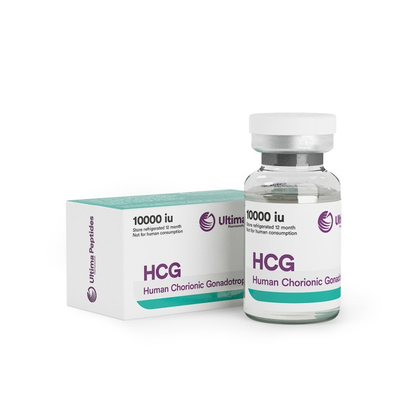
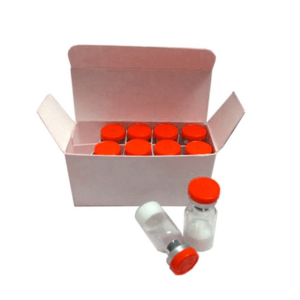
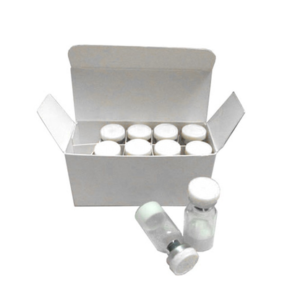
Buy Ultima-HCG 10000 US
$150.00
Product Name: Ultima-HCG (Human Chorionic Gonadotropin)
Strength: 10,000 IU per vial
Form: Lyophilized powder for injection
Administration: Intramuscular or Subcutaneous injection (following reconstitution)
Component: Human Chorionic Gonadotropin (hCG) — a glycoprotein hormone
Description
Buy Ultima-HCG 10000 US
Ultima-HCG 10000 is a research-grade product containing 10,000 IU of Human Chorionic Gonadotropin. HCG is a glycoprotein hormone that is naturally produced by the developing placenta and plays a crucial role in various biological processes . In research and medical settings, it is valued for its ability to mimic the action of Luteinizing Hormone (LH), stimulating testosterone production in males and playing a key role in female fertility protocols . This 10,000 IU presentation is a standard high-concentration format often used in fertility and endocrine research .
Mechanism of Action
Human Chorionic Gonadotropin (hCG) is a natural analogue of Luteinizing Hormone (LH) and interacts with the same LH/hCG receptor . In males, this interaction stimulates the Leydig cells in the testes to produce testosterone, a process crucial for maintaining reproductive function and secondary sexual characteristics . For researchers studying the hypothalamic-pituitary-gonadal (HPG) axis, hCG serves as a valuable tool to investigate LH-mediated pathways and testicular function . The hormone is rapidly cleared from the body, with a detection window of up to 9 days following a single 10,000 IU injection, which is relevant for studies on excretion and metabolism .
Product Features
-
High Potency: Delivers 10,000 IU of hCG per vial, a standard concentration for high-response protocols .
-
Research-Grade Quality: Manufactured as a lyophilized powder for reliable storage and reconstitution.
-
Mimics LH Activity: Acts as a potent agonist at the LH/hCG receptor, stimulating testosterone production .
-
Versatile Application: Suitable for research into male hypogonadism, fertility, and testicular function .
Research Applications
Ultima-HCG 10000 is suitable for laboratory research and preclinical studies in the following areas:
-
Male Reproductive Endocrinology: Investigating testosterone production, Leydig cell function, and spermatogenesis .
-
Post-Cycle Therapy (PCT) Models: Studying the restoration of the HPG axis following suppression .
-
Fertility Research: Examining ovulation, oocyte maturation, and corpus luteum formation .
-
Pharmacokinetic Studies: Tracking hCG metabolism and clearance rates .
Recommended Use
This product is intended solely for laboratory research purposes. The lyophilized powder must be reconstituted with sterile water for injection before use.
Reconstitution Instructions
-
Clean the rubber stopper of the vial with an alcohol swab.
-
Draw the appropriate amount of sterile water (e.g., 1 mL or 10 mL depending on research protocol) into a sterile syringe .
-
Inject the water slowly against the glass wall of the vial to avoid foaming.
-
Gently swirl the vial to dissolve the powder; do not shake vigorously.
-
Ensure complete dissolution before drawing the solution for injection.
Research Dosing Considerations
In the research context, protocols vary significantly depending on the specific study.
-
For HPG Axis Studies: Smaller, more frequent doses (e.g., 500–1,000 IU per day) are often employed to minimize estrogen-related side effects that can confound results .
-
For Oocyte Maturation Studies: A single high dose of 5,000–10,000 IU is often used to trigger final oocyte maturation .
-
For Pharmacokinetics: Research has utilized doses ranging from 5,000 to 30,000 IU to study urinary excretion and detection windows .
Storage Instructions
-
Lyophilized Powder: Store unreconstituted vials in the refrigerator at 2–8°C. Protect from light and do not freeze .
-
After Reconstitution: Use immediately or store as directed by institutional research protocols. For sterile use, refrigerate between doses and discard unused portions after a short period.
Side Effects
Research on hCG has documented potential effects in human subjects, which should be monitored in animal models and human clinical studies:
-
Injection Site Reactions: Pain, redness, or swelling at the injection site .
-
Hormonal Effects: Elevation of estrogen and testosterone levels, which may be relevant to research endpoints .
-
Ovarian Hyperstimulation Syndrome (OHSS): In female fertility studies, a risk of OHSS exists, presenting as abdominal pain, bloating, and nausea .
-
Other: Headache, mood swings, water retention, and gynecomastia in male subjects .
Contraindications
In clinical settings, hCG is contraindicated in individuals with:
-
Known hypersensitivity to hCG or any of its components .
-
Hormone-sensitive cancers (e.g., prostate or breast cancer) .
-
Active thromboembolic disorders.
Top 10 Frequently Asked Questions
1. What is Ultima-HCG 10000?
Ultima-HCG 10000 is a research-grade product containing 10,000 IU of Human Chorionic Gonadotropin (hCG), a hormone that mimics Luteinizing Hormone (LH) and is used in endocrine and fertility research .
2. How does HCG work in the male body?
HCG interacts with the LH/hCG receptor on Leydig cells in the testes, stimulating them to produce testosterone, similar to the action of natural LH .
3. What is the mechanism of action of HCG?
HCG is a natural analogue of LH. It binds to the same receptor, initiating a cascade that leads to testosterone production in males and oocyte maturation in females .
4. What are the primary research applications for HCG?
It is used to study male hypogonadism, testicular function, ovulation, oocyte maturation, and the HPG axis .
5. What is the recommended reconstitution for the 10,000 IU vial?
It is typically reconstituted with 1 mL or 10 mL of sterile water. Using 1 mL creates a concentration of 10,000 IU/mL for a single dose, while 10 mL creates a 1,000 IU/mL concentration for easier measurement of multiple smaller doses .
6. How should HCG be stored?
Unreconstituted vials should be stored in the refrigerator at 2–8°C. After reconstitution, the solution should be refrigerated and used within the time frame defined by your research protocol .
7. What is the half-life or detection window of HCG?
In studies on males, a single 10,000 IU injection resulted in a urine detection window of up to 9 days, with peak urinary concentrations occurring within the first 12 hours .
8. Are there any side effects associated with HCG?
Potential side effects include injection site pain, fluid retention, gynecomastia, and in high-dose female fertility studies, Ovarian Hyperstimulation Syndrome (OHSS), which presents as abdominal pain and bloating .
9. Is HCG used in Post-Cycle Therapy (PCT)?
It is commonly studied in PCT models to reverse testicular atrophy and prepare the testes for recovery of natural testosterone production after the use of exogenous androgens .
10. What are the typical doses used in research?
Doses vary widely. Low-dose protocols for HPG axis studies often use 500–1,000 IU per day, while fertility research may use a single 5,000–10,000 IU injection. Pharmacokinetic studies have used doses as high as 30,000 IU .
Ready to take the next step?
Secure your supply of Ultima-HCG 10000 from a trusted source. Visit anabolicsteroidsonline.shop today to explore our selection of premium research products.
Related products
-
- -7%
- SARMs & Peptide Products
IGF-1 DES 2mg: Research-Grade Truncated Growth Factor
- Original price was: $700.00.$650.00Current price is: $650.00.
- Add to cart
Reviews
There are no reviews yet.